Tinnitus in One Ear: What It Means
Tinnitus that occurs in only one ear—called unilateral tinnitus—can have different causes than bilateral tinnitus. This guide explains what it may mean and when to seek medical evaluation.
Unilateral tinnitus, or tinnitus in only one ear, is experienced by a significant number of people with tinnitus. While bilateral tinnitus (both ears) is more common and often associated with general noise exposure or age-related hearing changes, one-sided tinnitus can sometimes indicate conditions that specifically affect one ear or one side of the auditory pathway. This distinction is important because some causes of unilateral tinnitus are more medically significant and may benefit from evaluation sooner rather than later.
Common causes of tinnitus in one ear include asymmetric hearing loss, where one ear has more damage than the other due to noise exposure, ear infections, or earwax buildup. Many people are exposed to louder sounds on one side—for example, musicians who always stand near a speaker on one side, or people who use a phone primarily in one ear. Ear infections, both outer ear (otitis externa) and middle ear (otitis media), can cause temporary tinnitus in the affected ear that typically resolves when the infection clears.
Less common but medically important causes include acoustic neuroma (vestibular schwannoma), a benign tumor on the nerve connecting the ear to the brain. While acoustic neuromas are rare, unilateral tinnitus is one of their most common early symptoms, which is why doctors often recommend further evaluation for new one-sided tinnitus. Meniere's disease, which affects the inner ear, also typically starts in one ear and may include episodes of vertigo, hearing fluctuation, and ear fullness alongside tinnitus.
If you notice tinnitus in only one ear—especially if it is new, sudden, or accompanied by hearing loss, dizziness, or ear pain—scheduling an evaluation with an ENT specialist or audiologist is recommended. They may perform a hearing test (audiogram) and potentially imaging studies to rule out structural causes. In most cases, the evaluation provides reassurance, but early detection of conditions like acoustic neuroma leads to better outcomes.
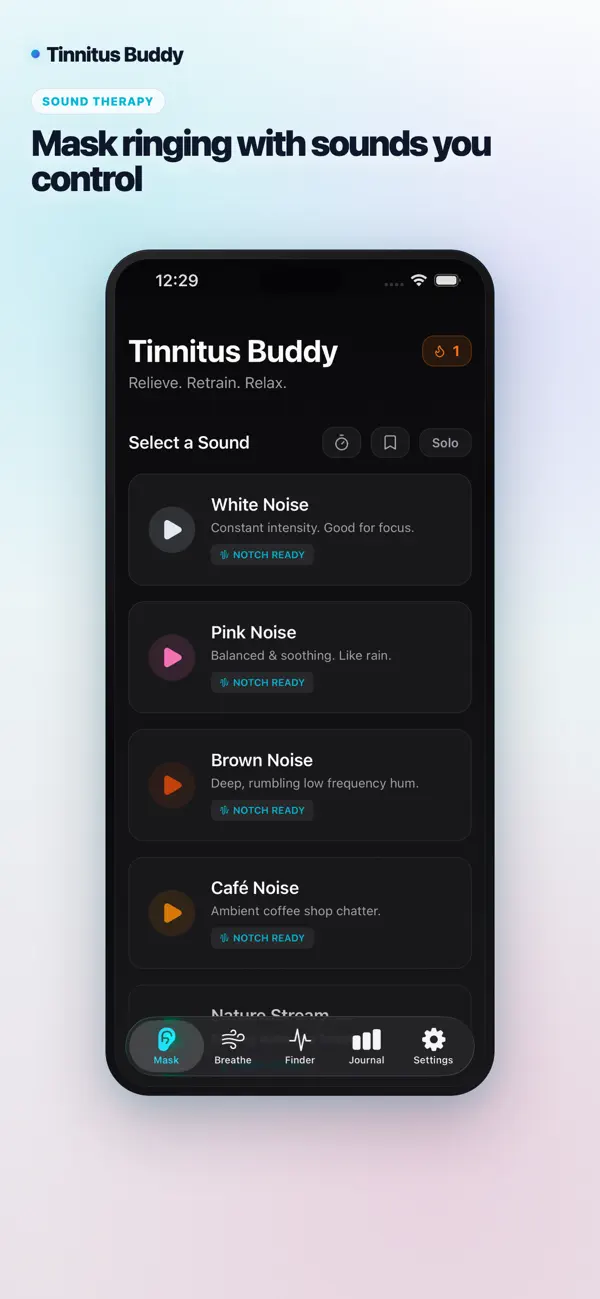
Self-management for unilateral tinnitus follows the same general principles as bilateral tinnitus: sound enrichment, stress management, and tracking. However, sound therapy delivery may need adjustment—using a speaker on the affected side or an earbud in the affected ear rather than bilateral headphones may be more effective. Track which ear is affected and whether the tinnitus changes sides, as this information is valuable for your healthcare provider.
When this is useful
- You have tinnitus in only one ear and want to understand possible causes.
- You are deciding whether to see a doctor about one-sided ringing.
When this may not help
- You need an immediate diagnosis—see a healthcare provider.
- Your tinnitus is bilateral and you already have a diagnosis.
What you can do now
- Note which ear is affected and whether the tinnitus changes sides.
- Schedule an evaluation with an ENT or audiologist if the one-sided tinnitus is new or sudden.
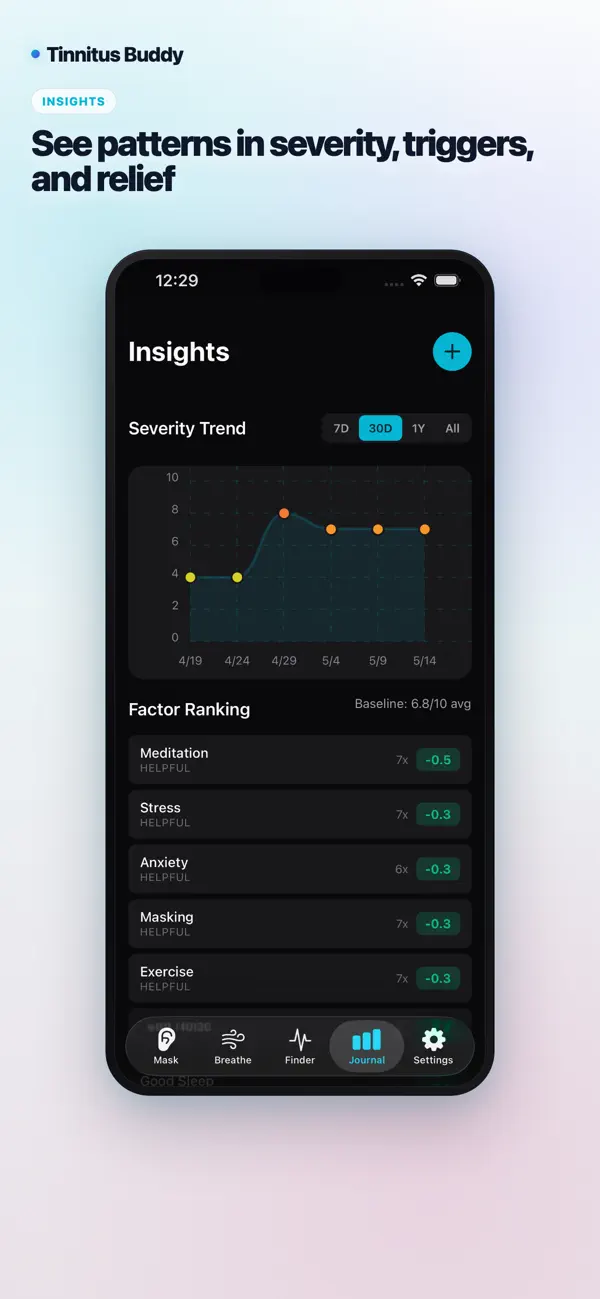
- Track severity, triggers, and associated symptoms like hearing changes or dizziness.
TinnitusBuddy features used
Frequently asked questions
Is tinnitus in one ear serious?
Not always, but unilateral tinnitus warrants medical evaluation to rule out conditions like acoustic neuroma or asymmetric hearing loss. Most causes are benign.
What causes ringing in only one ear?
Common causes include asymmetric noise exposure, earwax buildup, ear infections, or hearing loss in one ear. Less common causes include acoustic neuroma or Meniere's disease.
Should I see a doctor for tinnitus in one ear?
Yes, especially if it is new, sudden, or accompanied by hearing loss, dizziness, or ear pain. An ENT specialist or audiologist can evaluate the cause.
Can tinnitus in one ear go away?
It depends on the cause. Tinnitus from ear infections or earwax often resolves with treatment. Tinnitus from hearing damage may be persistent but manageable with sound therapy and tracking.
Medical disclaimer
This page is educational and does not provide medical diagnosis or treatment. Seek qualified medical care for urgent or worsening symptoms.