Tinnitus Relief in Quiet Rooms
This page shows how to reduce silence contrast using gentle ambient sound and structured attention shifts.
Finding tinnitus relief in quiet rooms addresses one of the most common challenges people face: the high contrast between complete silence and internal tinnitus sounds that makes symptoms feel dramatically more intrusive. In very quiet environments like libraries, quiet offices, or bedrooms, there is minimal external auditory input to balance internal sounds, so tinnitus stands out prominently. This page provides strategies to reduce that contrast using gentle ambient sound and attention management techniques that work without disrupting the quiet atmosphere that others in shared spaces expect.
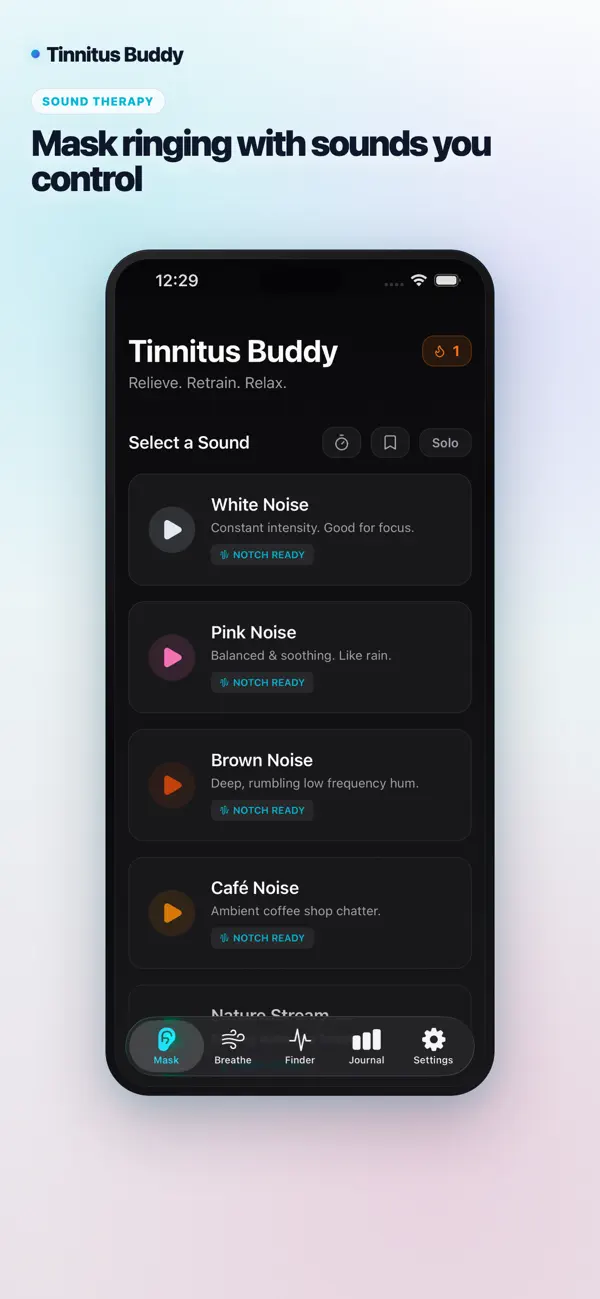
Gentle ambient sound is the primary tool for reducing silence contrast in quiet rooms. The goal is to introduce just enough external auditory input to balance tinnitus without creating noise that disturbs others or becomes distracting itself. Low-volume white noise, pink noise, or nature sounds work well because they provide steady, neutral background input. Many people find that using headphones or earbuds allows them to control the sound precisely while keeping it private, though some prefer small external speakers if the environment allows. The volume should be set at the lowest level that provides meaningful benefit—just audible enough to reduce tinnitus contrast but quiet enough that it does not become the focus of attention.
Consistency in sound profiles helps your brain adapt to the new auditory environment more effectively. When you use the same sound profile in the same quiet room repeatedly, your brain learns to filter it into the background while still benefiting from the reduced contrast with silence. This consistency is more important than finding the "perfect" sound—a familiar, neutral profile used consistently provides more benefit than constantly switching between different options. Many people develop preferences for specific sound types in specific environments, such as white noise for libraries and nature sounds for quiet offices, based on what feels most natural and least distracting.
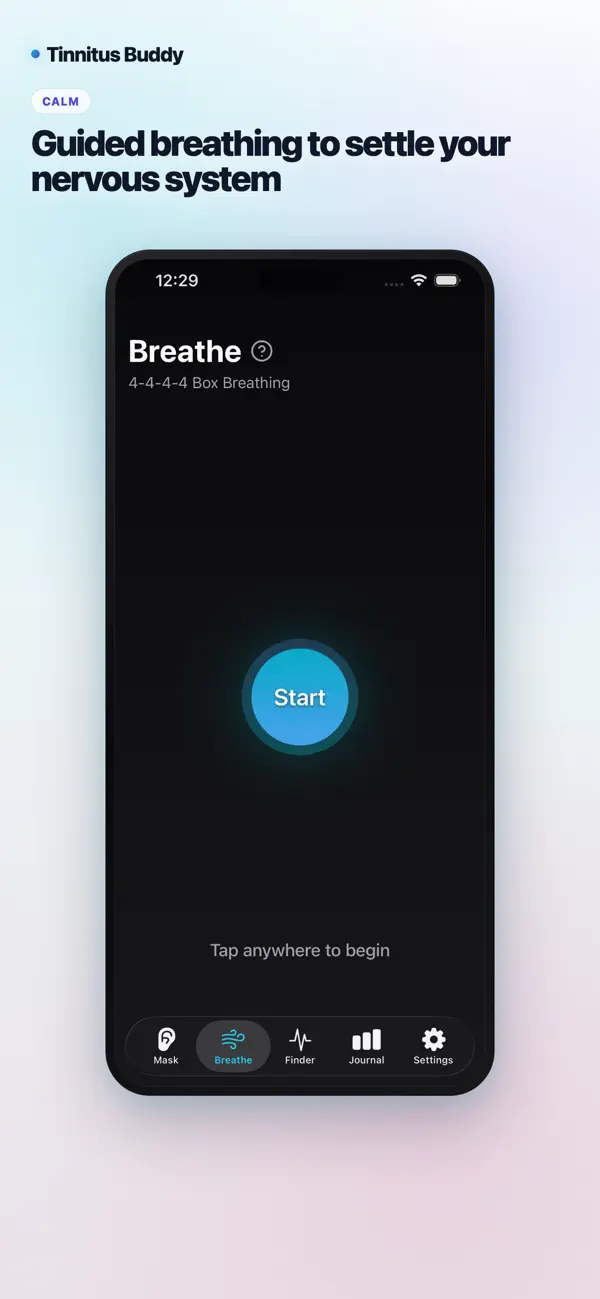
Structured attention shifts complement sound therapy by helping you redirect focus away from tinnitus when it becomes noticeable. Instead of fighting against tinnitus awareness or trying to ignore it completely—which often backfires and increases attention to the sound—practice gently redirecting your attention to external tasks or activities. This might involve focusing on your work, reading, or other tasks that require cognitive engagement. The goal is not to eliminate tinnitus perception, but to reduce the amount of mental energy spent on it, allowing you to function effectively in quiet environments despite ongoing symptoms.
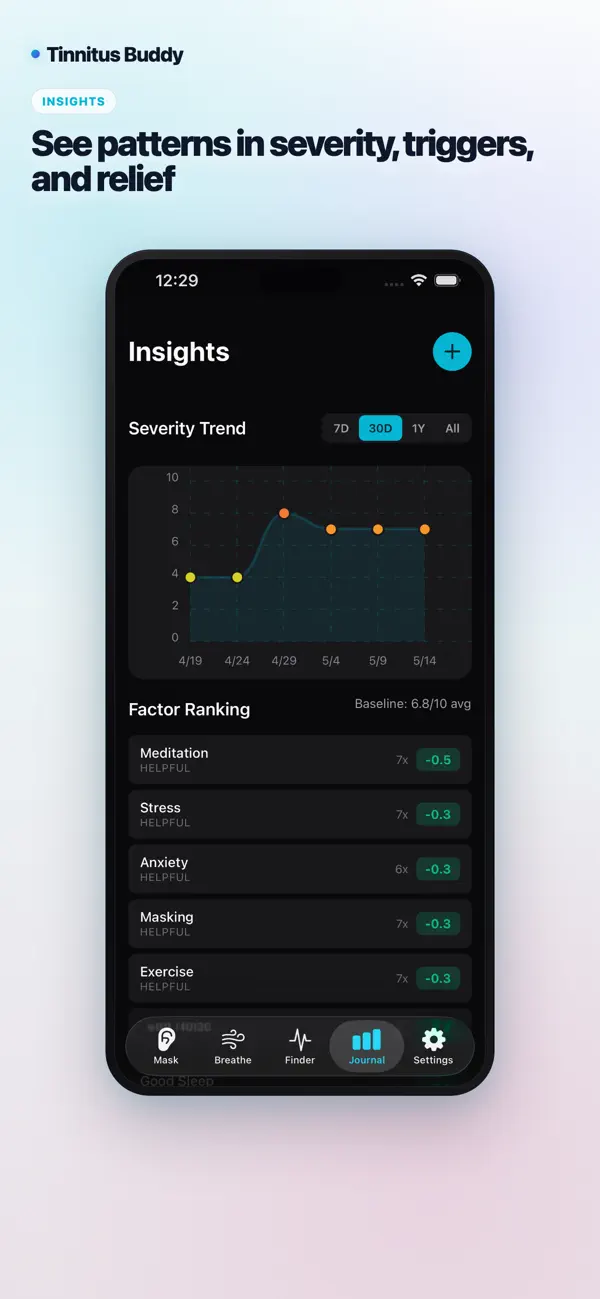
Environmental tracking helps you identify which quiet room conditions work best for your tinnitus management. Log which rooms, times of day, and sound profiles correlate with better comfort and reduced tinnitus awareness. You might discover that certain types of quiet spaces are more manageable than others, or that specific sound profiles work better in different environments. This data helps you prepare proactively—if you know you will be spending time in a quiet library, you can have your preferred sound profile ready and start it before entering the space rather than waiting until tinnitus becomes intrusive. Over time, this proactive approach becomes automatic, making quiet room management feel more manageable and less stressful.
When this is useful
- Symptoms spike in quiet offices, bedrooms, or libraries.
- You need subtle low-distraction masking options.
When this may not help
- You need immediate medical care for sudden auditory or neurological changes.
What you can do now
- Try low-level ambient sound rather than complete silence.
- Use the same profile in recurring environments for consistency.
- Track which room conditions correlate with better comfort.
TinnitusBuddy features used
Frequently asked questions
Does louder masking always work better?
Not always. Gentle and sustainable sound levels often work better for long periods.
Can I use the same profile for work and sleep?
You can, but many people prefer separate profiles for daytime focus and nighttime wind-down.
What if my room is already noisy?
In noisier spaces, tinnitus may feel less intrusive. You can still track how different environments affect your perception over time.
Medical disclaimer
This page is educational and does not provide medical diagnosis or treatment. Seek qualified medical care for urgent or worsening symptoms.