When to Seek Medical Care for Tinnitus
This page outlines general escalation signals and reinforces when professional medical care should be prioritized.
Knowing when to seek medical care for tinnitus is crucial for both safety and effective management. While many cases of tinnitus can be managed with self-help strategies, certain symptom patterns require prompt professional evaluation to rule out underlying conditions that need medical treatment. Understanding these escalation signals helps you make informed decisions about when self-management is appropriate versus when you should prioritize a clinical visit.
Sudden hearing loss, especially if it occurs in one ear, is a medical emergency that requires immediate evaluation. If you experience a rapid decrease in hearing ability accompanied by tinnitus, do not delay seeking care—early treatment can sometimes improve outcomes. Similarly, tinnitus that appears suddenly and is accompanied by dizziness, vertigo, or balance problems may indicate conditions that need urgent attention. These symptoms suggest possible issues with the inner ear or neurological pathways that require professional diagnosis.
Severe one-sided tinnitus—where symptoms are significantly worse or only present in one ear—warrants medical evaluation, especially if it is new or has changed recently. While many people have tinnitus that is slightly louder in one ear, a dramatic difference or new onset of unilateral symptoms can sometimes indicate conditions that need treatment. Pain associated with tinnitus, particularly ear pain or headaches, also requires medical attention, as it may signal infections, inflammation, or other treatable conditions.
New neurological symptoms alongside tinnitus—such as facial weakness, vision changes, or coordination problems—should prompt immediate medical evaluation. While tinnitus itself is rarely a sign of serious neurological conditions, the combination of tinnitus with other neurological symptoms needs professional assessment. Additionally, if tinnitus is accompanied by significant anxiety, depression, or thoughts of self-harm, mental health support should be prioritized alongside any medical evaluation.
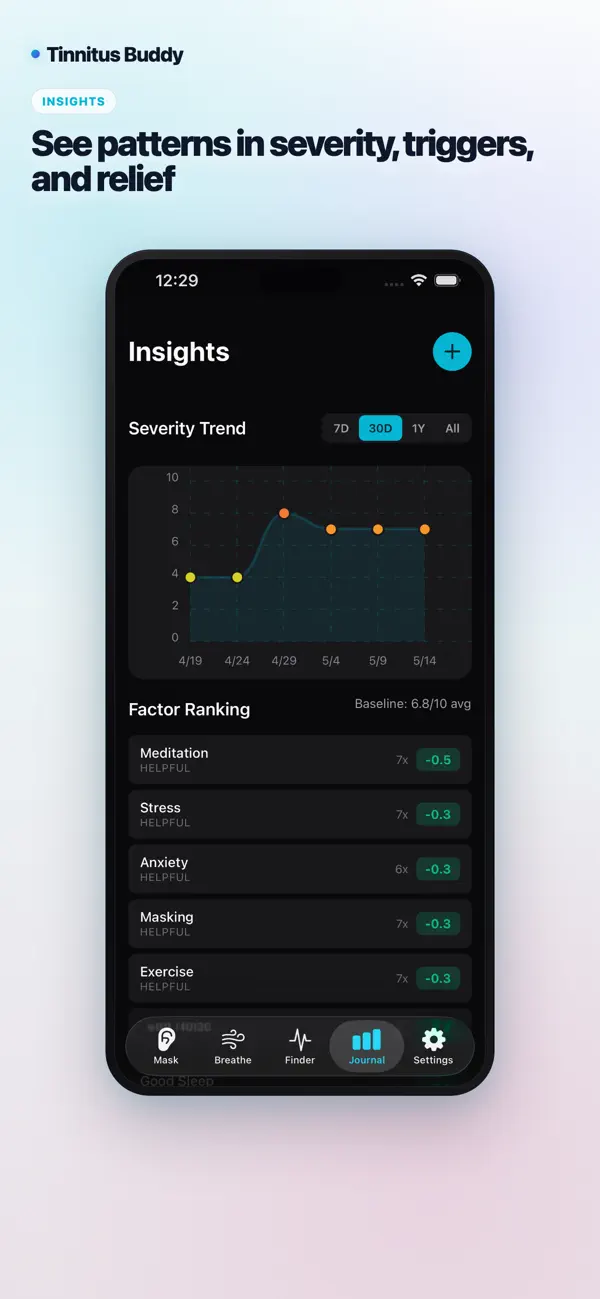
Even when urgent warning signs are not present, regular medical evaluation can be valuable for understanding your tinnitus and ensuring that self-management approaches are appropriate. An audiologist or ENT specialist can perform hearing tests, discuss your symptom history, and help identify potential contributing factors. They can also provide guidance about which self-management strategies are safe and appropriate for your specific situation. Keeping a log of your symptoms, triggers, and self-management attempts can help you communicate effectively during medical visits, making the evaluation more productive.
When this is useful
- You are unsure whether symptoms need medical evaluation.
- You want safe boundaries for self-management tools.
When this may not help
- You are currently in a medical emergency and need immediate care now.
What you can do now
- Seek prompt evaluation for sudden hearing loss, severe one-sided symptoms, or significant pain.
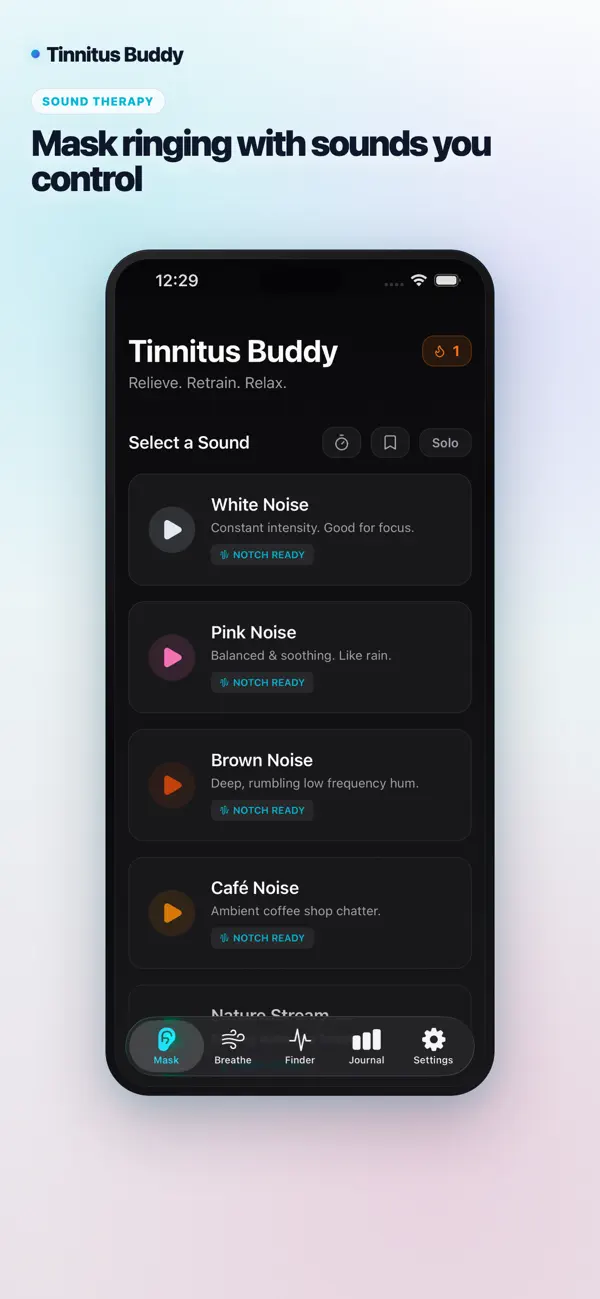
- Use app logs to summarize symptom timelines for clinician visits.
- Treat this guidance as educational, not diagnostic.
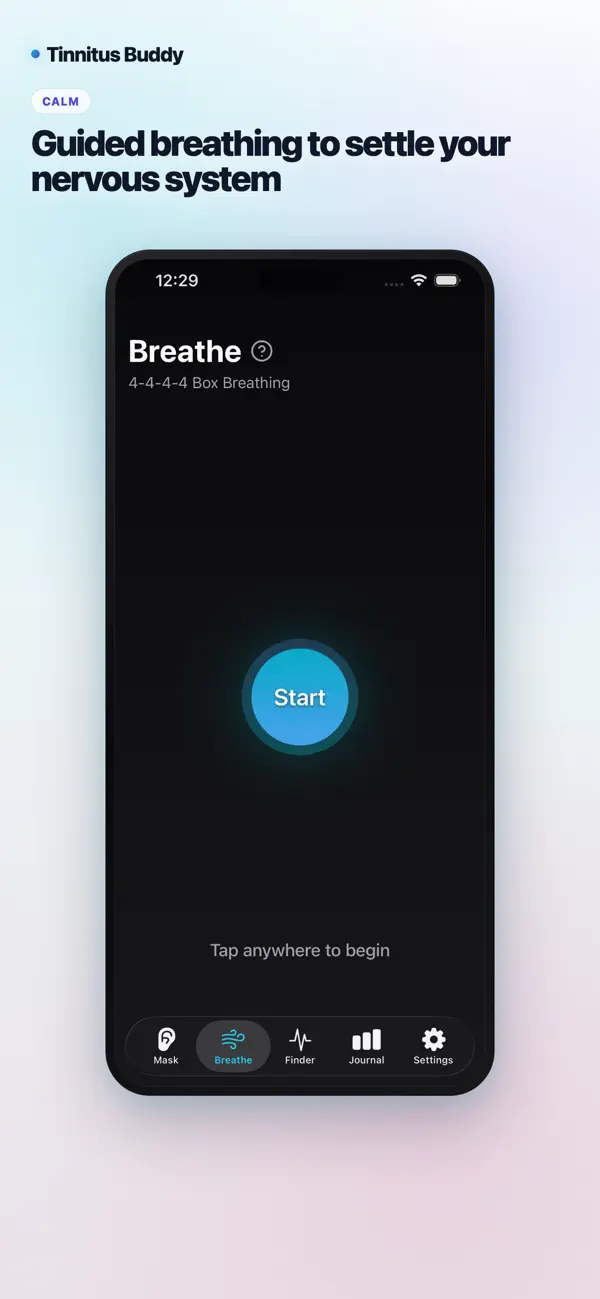
TinnitusBuddy features used
Frequently asked questions
Can an app diagnose tinnitus causes?
No. Apps can support tracking and self-management, but diagnosis requires a qualified clinician.
Should I delay care while testing routines?
No. If warning signs are present, prioritize medical evaluation first.
What counts as a warning sign?
Sudden hearing loss, severe one-sided symptoms, significant pain, dizziness, or new neurological changes warrant prompt evaluation.
Medical disclaimer
This page is educational and does not provide medical diagnosis or treatment. Seek qualified medical care for urgent or worsening symptoms.