What Causes Tinnitus?
Tinnitus can have many contributing factors. This page outlines common associations without making medical claims. Causes vary from person to person.
Understanding what causes tinnitus requires recognizing that there is rarely a single, simple answer. Tinnitus is a symptom rather than a disease itself, and it can arise from various underlying factors involving the ear, auditory pathways, and brain processing. The most common associations include noise exposure, age-related hearing changes, and certain medical conditions, but the exact mechanism varies significantly from person to person. For many people, multiple factors contribute simultaneously, making it difficult to identify a single cause.
Noise-induced hearing loss is one of the most well-documented associations with tinnitus. Prolonged exposure to loud sounds—whether from occupational noise, recreational activities like concerts or shooting, or personal audio devices at high volume—can damage the delicate hair cells in the inner ear. This damage can lead to hearing loss and often accompanies tinnitus. The relationship is not always straightforward, as some people develop tinnitus without measurable hearing loss, while others with significant hearing loss do not experience tinnitus. However, protecting your hearing from loud noise is universally recommended as a preventive measure.
Age-related hearing changes, known as presbycusis, are another common factor associated with tinnitus. As people age, the auditory system naturally undergoes changes that can affect hearing sensitivity and sound processing. These changes can sometimes result in tinnitus, particularly when hearing loss occurs gradually over time. The brain may attempt to compensate for reduced input from the ears by increasing activity in auditory pathways, which can manifest as phantom sounds like ringing, buzzing, or hissing.
Medical conditions and medications can also contribute to tinnitus. Conditions affecting the ear—such as ear infections, Meniere's disease, or otosclerosis—may cause tinnitus as a symptom. Certain medications, including some antibiotics, antidepressants, and nonsteroidal anti-inflammatory drugs, list tinnitus as a potential side effect. Cardiovascular conditions, thyroid disorders, and temporomandibular joint (TMJ) disorders have also been associated with tinnitus in some cases. Some people also ask whether digestive issues like GERD or acid reflux relate to ear pressure, ear pain, or tinnitus; mechanisms are debated and evaluation is individualized—see our guide on GERD, acid reflux, and ear symptoms for cautious context. If you suspect a medical condition or medication might be contributing to your tinnitus, discuss this with your healthcare provider rather than making changes independently.
The brain's role in tinnitus is increasingly recognized as central to the experience. Even when tinnitus originates from ear-related factors, the brain's processing and interpretation of signals play a crucial role in how noticeable and distressing symptoms become. The brain can amplify attention to tinnitus, create emotional associations that increase distress, and maintain the perception of sound even when the original trigger has resolved. This is why psychological approaches like cognitive reframing and stress management can be effective even when the underlying cause involves physical factors. Understanding that tinnitus involves both peripheral (ear) and central (brain) mechanisms helps explain why management approaches often need to address multiple aspects simultaneously.

When this is useful
- You want a neutral overview of possible causes.
- You are curious about mechanisms (ear vs. brain pathways).
- You recently noticed sudden ringing and want context.
When this may not help
- You need a medical diagnosis. Only a clinician can determine cause for your case.
- You have sudden hearing loss or severe symptoms requiring urgent care.
What you can do now
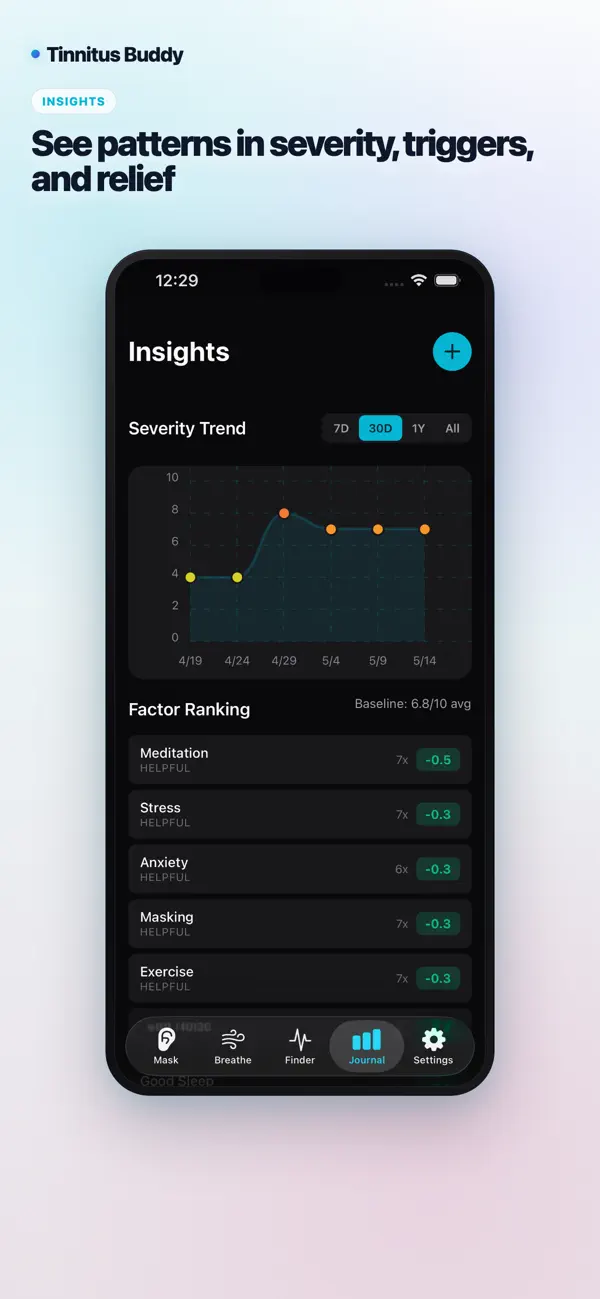
- Use app logs to summarize symptom onset and timeline for a clinician visit.
- Track noise exposure, stress, and health changes that preceded onset.
- Read our when-to-seek-care guide if you have sudden or one-sided symptoms.
TinnitusBuddy features used
Frequently asked questions
What is the main cause of tinnitus?
There is no single main cause. Common associations include noise exposure, age-related hearing changes, and stress. A clinician can help identify contributing factors for you.
What causes sudden ringing in one ear?
Sudden one-sided tinnitus can have various causes. Because some causes need prompt evaluation, seek medical care for sudden or severe symptoms.
How does tinnitus happen?
Tinnitus often involves both ear and brain pathways. The brain may fill in missing or altered signals from the ear. Exact mechanisms vary.
Medical disclaimer
This page is educational and does not provide medical diagnosis or treatment. Seek qualified medical care for urgent or worsening symptoms.