What to Avoid With Tinnitus
This page outlines common factors that may increase tinnitus awareness or distress and practical steps to avoid them.
Understanding what to avoid with tinnitus helps you create an environment and lifestyle that minimizes symptom aggravation. While triggers vary significantly from person to person, certain factors are commonly reported as making tinnitus worse. The most important principle is to identify your personal triggers through tracking rather than assuming that universal "avoid" lists apply to everyone. However, some factors are worth being mindful of, especially if you are just beginning to explore what influences your symptoms.
Loud noise exposure is perhaps the most universally recognized factor to avoid when managing tinnitus. Prolonged exposure to loud sounds—whether from concerts, machinery, headphones at high volume, or occupational noise—can damage hearing and potentially worsen tinnitus. If you cannot avoid loud environments, use hearing protection such as earplugs or noise-canceling headphones. Be particularly cautious about sudden loud noises, which can cause temporary threshold shifts that may increase tinnitus perception. After any loud noise exposure, give your ears time to recover in a quiet environment, and consider using gentle sound therapy to help reset your auditory system.
Extreme stress and sleep deprivation are commonly reported as factors that increase tinnitus awareness and distress. While it is not always possible to eliminate stress entirely, being aware of stress spikes and having coping strategies ready can help. Avoid letting stress build to crisis levels without intervention—brief breaks, breathing exercises, or short walks can help manage stress before it becomes overwhelming. Similarly, prioritize sleep hygiene, as poor sleep quality often correlates with worse tinnitus perception the following day. Avoid screens before bed, maintain consistent sleep schedules, and create a calming pre-sleep routine that includes sound masking if helpful.
Sudden or extreme changes in your sound environment can make tinnitus more noticeable. If you spend time in very quiet spaces, gradually transition rather than going from loud to silent instantly. Similarly, avoid constantly switching between different sound profiles or volumes—consistency helps your brain adapt. Some people find that complete silence makes tinnitus stand out more, so having gentle background sound available can help smooth transitions between environments.
While dietary factors like caffeine and alcohol affect some people more than others, it is worth tracking your intake to see if you notice patterns. If you suspect that caffeine makes your tinnitus worse, try reducing it gradually and monitor your symptoms. Similarly, if alcohol seems to correlate with worse symptoms, experiment with moderation. However, do not make extreme dietary changes without medical guidance, especially if you have underlying health conditions. The key is to track your personal patterns rather than following generic advice that may not apply to you.
When this is useful
- You want to minimize known aggravating factors.
- You are building a daily routine and need boundaries.
- You notice patterns but want clear "avoid" guidance.
When this may not help
- You need medical advice on dietary or medication restrictions.
- You expect a definitive list that applies to everyone.
What you can do now
- Limit exposure to loud noise and use hearing protection when needed.
- Avoid sudden or extreme changes in sound environment when possible.
- Track your own triggers rather than relying on a one-size-fits-all list.
- Reduce stress spikes and sleep deprivation where you can.
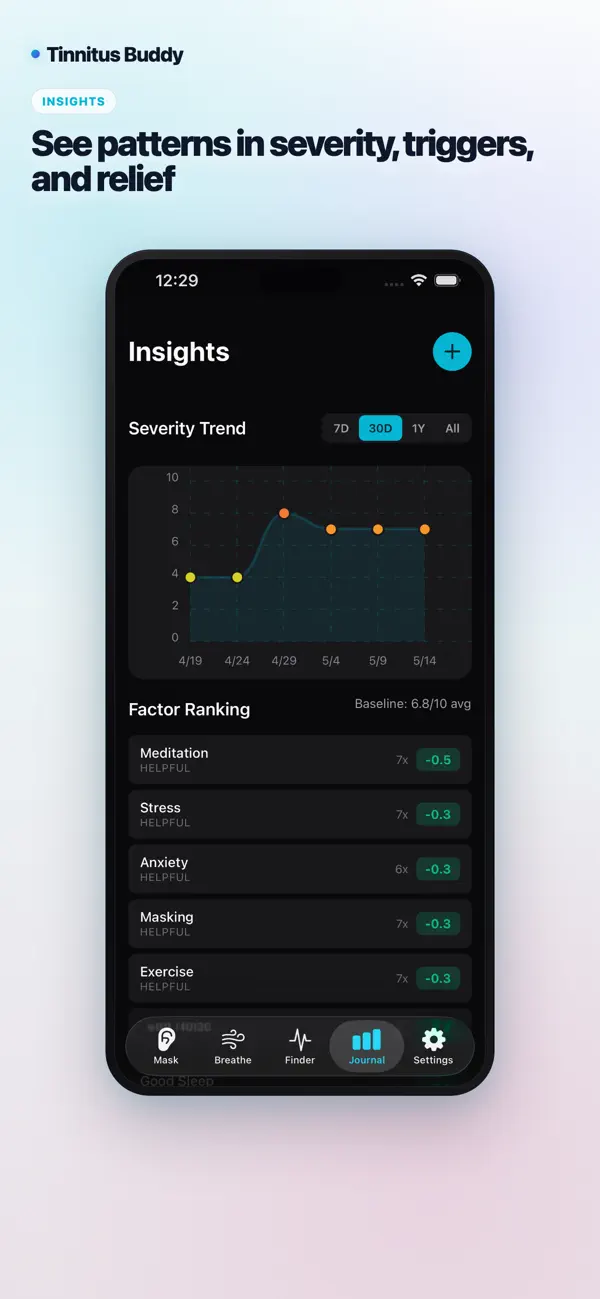
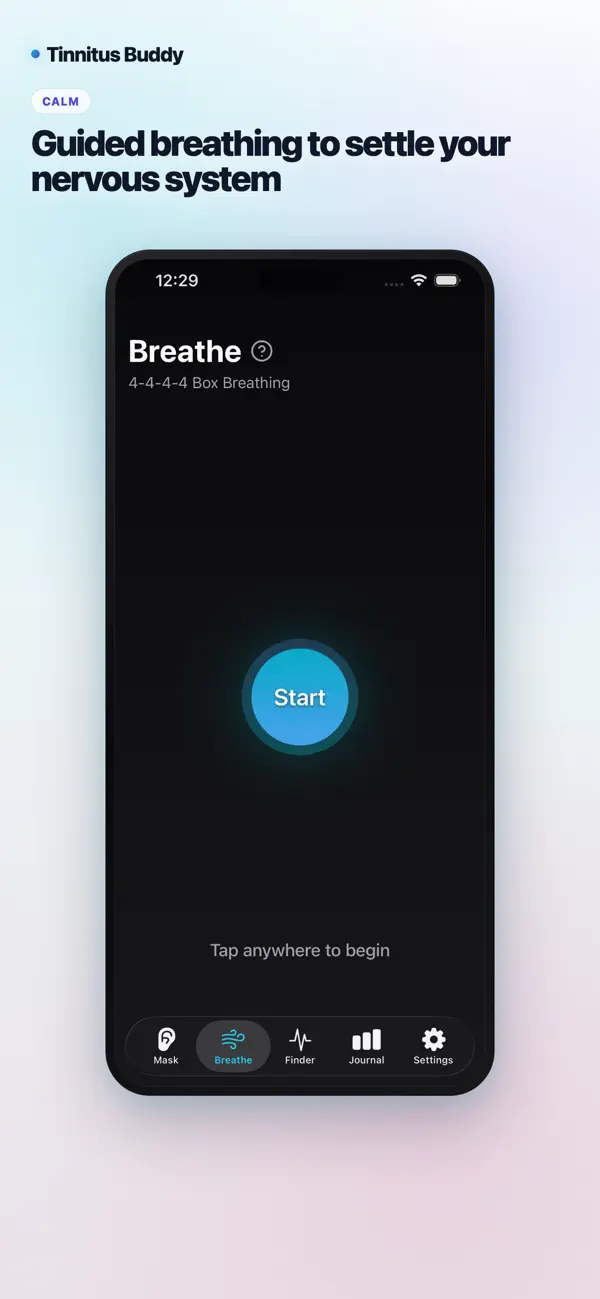
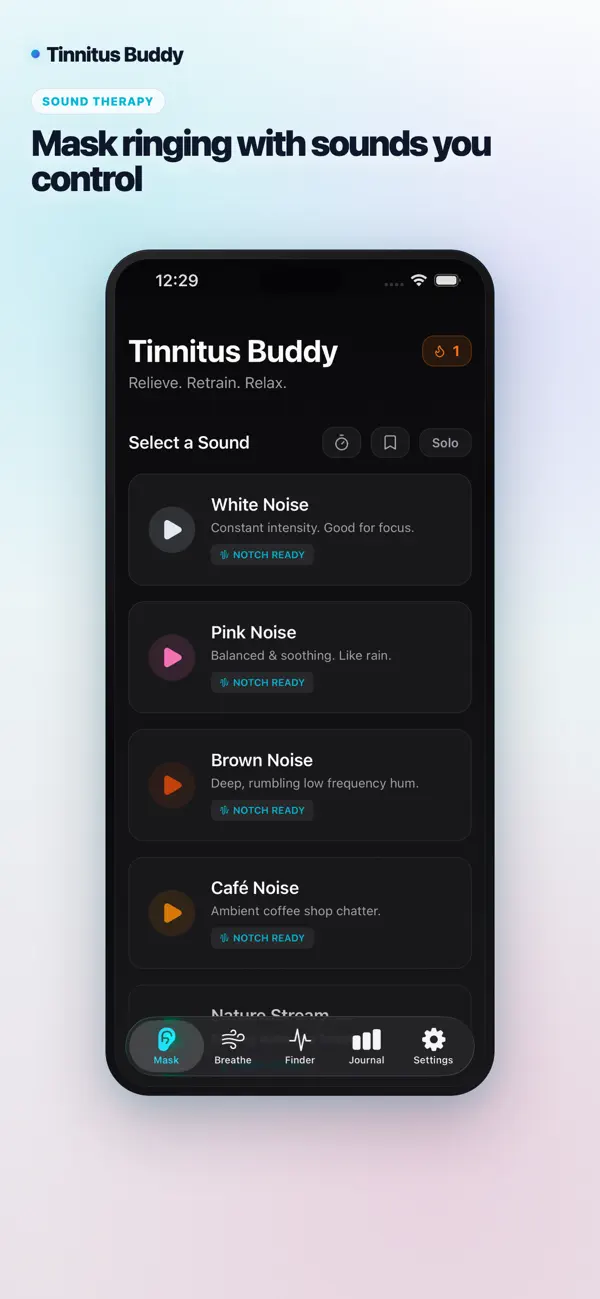
TinnitusBuddy features used
Frequently asked questions
What's the worst thing for tinnitus?
There is no single universal answer. Loud noise, extreme stress, and lack of sleep are commonly reported. Tracking your own patterns helps identify your triggers.
Should I avoid caffeine or alcohol?
Some people notice a link; others do not. If you suspect a connection, track intake and symptoms to see your own pattern. Consult your doctor for medical guidance.
Can I still listen to music or podcasts?
Yes. Keep volume at comfortable levels and avoid prolonged loud exposure. Many people use ambient or low-level sound as part of their routine.
Medical disclaimer
This page is educational and does not provide medical diagnosis or treatment. Seek qualified medical care for urgent or worsening symptoms.