Tinnitus Relief During Stressful Days
This framework helps you lower reactivity, keep daily structure, and use short resets when symptoms feel overwhelming.
Finding tinnitus relief during stressful days requires recognizing and interrupting the stress-tinnitus cycle before it becomes overwhelming. When stress levels spike, your nervous system becomes more reactive and hypervigilant, which amplifies awareness of internal sensations like tinnitus. This increased awareness often triggers frustration and anxiety, which creates additional stress, forming a self-reinforcing cycle where stress makes tinnitus worse, and worse tinnitus increases stress. This framework provides practical tools to break that cycle through proactive stress management, structured daily routines, and brief reset techniques.
The foundation of stress-day tinnitus management is maintaining your daily structure even when stress is high. It is tempting to abandon routines during difficult periods, but consistency actually becomes more important when stress is elevated. Keep your regular sound therapy sessions, tracking checkpoints, and self-management habits in place, as these provide stability and predictability that can help reduce stress reactivity. If your routine feels too complex to maintain during high-stress periods, simplify it rather than abandoning it entirely—even a minimal version maintained consistently provides more benefit than stopping completely.
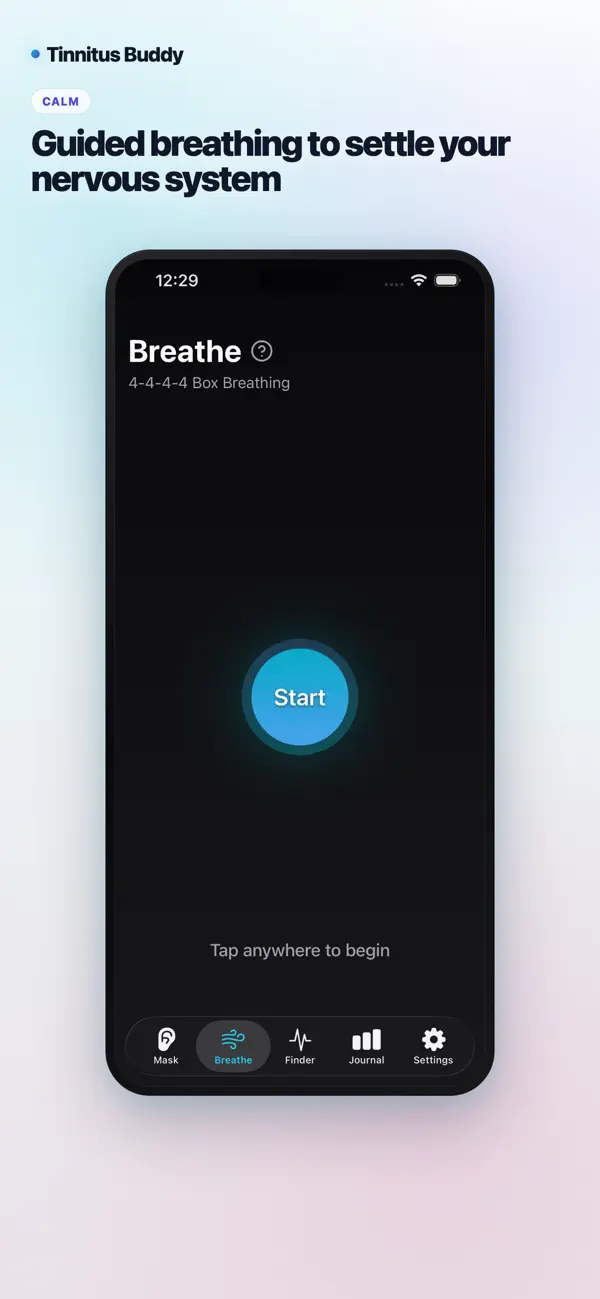
Brief reset routines between tasks are essential for managing stress-day tinnitus. When you notice stress building or tinnitus becoming more intrusive, take a two-to-three minute reset break before transitioning to your next task. This might involve stepping away from your desk, practicing a brief breathing exercise, listening to a calming sound profile, or simply moving to a different environment. The key is to interrupt the stress-tinnitus cycle proactively rather than waiting until symptoms feel overwhelming. These short resets help lower nervous system reactivity, making tinnitus feel more manageable and preventing stress from building to crisis levels.
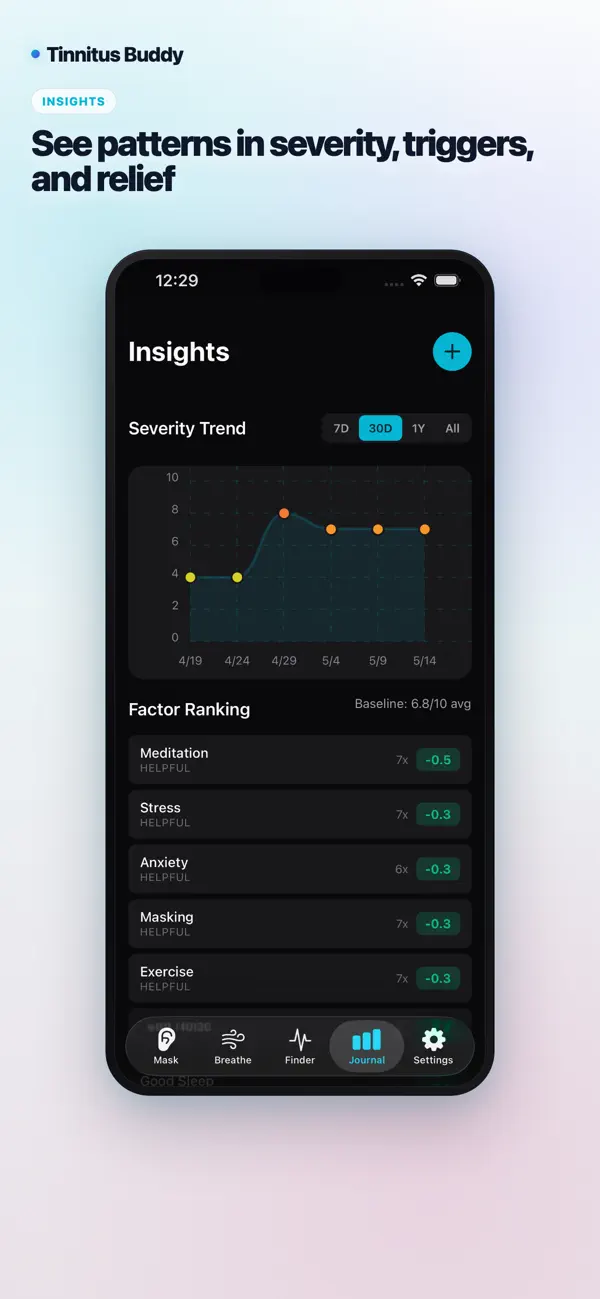
Tracking stress levels alongside tinnitus intensity provides crucial data for managing difficult days. Log both metrics at consistent checkpoints throughout the day—morning, midday, and evening—to identify patterns and correlations. You might discover that certain types of stressors consistently precede worse tinnitus, or that specific times of day are more challenging. This awareness allows you to anticipate difficult periods and have coping strategies ready. For example, if you know that afternoon work deadlines consistently trigger stress-tinnitus spikes, you can proactively use sound masking and reset breaks during those windows rather than reacting after symptoms have already escalated.
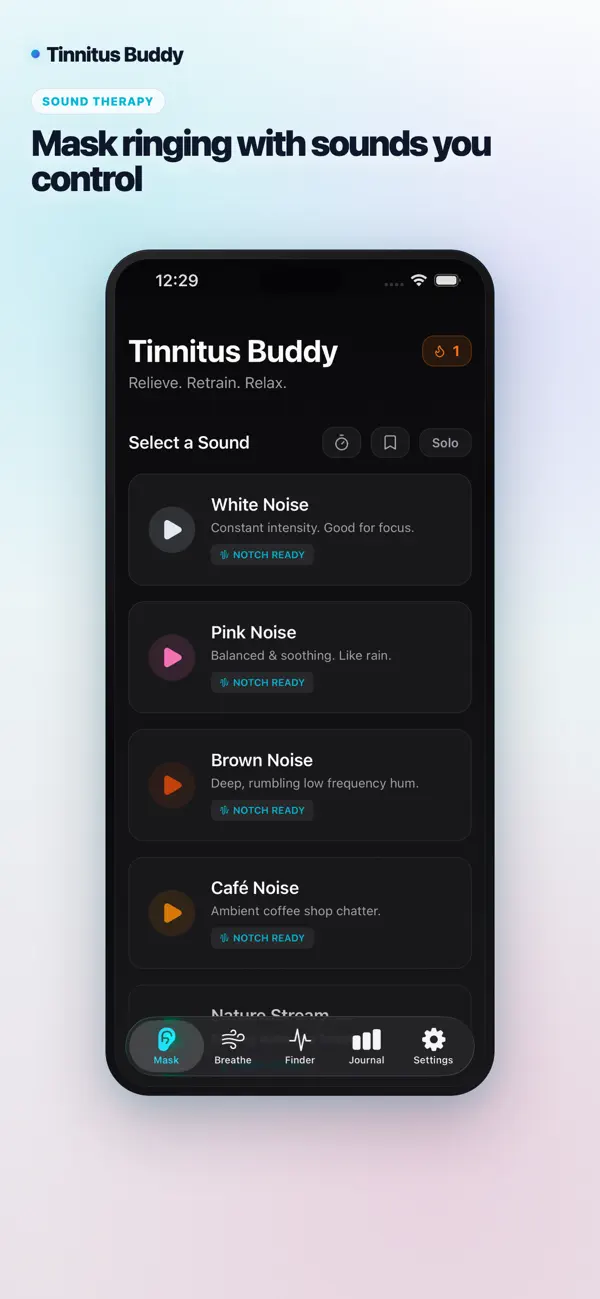
Low-volume sound profiles serve as a safety net during high-stress periods. Keep one familiar, calming sound profile readily available—perhaps on your phone or a dedicated device—that you can activate quickly when stress spikes. This provides immediate auditory input that reduces tinnitus contrast while also serving as a conditioned cue that helps signal relaxation to your nervous system. Some people find that using the same sound profile consistently during stress resets creates a stronger conditioned response over time, making the sound itself a signal for stress reduction. The goal is not to mask tinnitus completely, but to provide enough auditory input to reduce the contrast with silence that makes symptoms so noticeable during stressful periods.
When this is useful
- Stress spikes coincide with louder tinnitus perception.
- You need short reset routines between tasks.
When this may not help
- You are experiencing severe mental health distress and need professional support now.
What you can do now
- Use brief breathing or grounding breaks before switching tasks.
- Log stress level and tinnitus intensity together to spot patterns.
- Keep one low-volume sound profile available for high-stress windows.
TinnitusBuddy features used
Frequently asked questions
Is stress tracking worth it if symptoms fluctuate daily?
Yes. Fluctuation is exactly why tracking helps; it reveals trends that are difficult to notice in real time.
How many reset breaks should I take?
Use short, consistent breaks you can sustain. The best number is the one you can keep regularly.
Medical disclaimer
This page is educational and does not provide medical diagnosis or treatment. Seek qualified medical care for urgent or worsening symptoms.