How to Reduce Tinnitus
This guide offers practical steps to reduce tinnitus disruption using sound therapy, tracking, routines, and stress management—without medical claims or promises.
Learning how to reduce tinnitus disruption requires a multi-faceted approach that addresses both the acoustic perception and the psychological response to symptoms. While there is no universal cure, many people find that combining sound therapy, structured tracking, consistent routines, and stress management significantly improves their quality of life. The key is to start with simple, sustainable strategies and build from there based on what works for you personally.
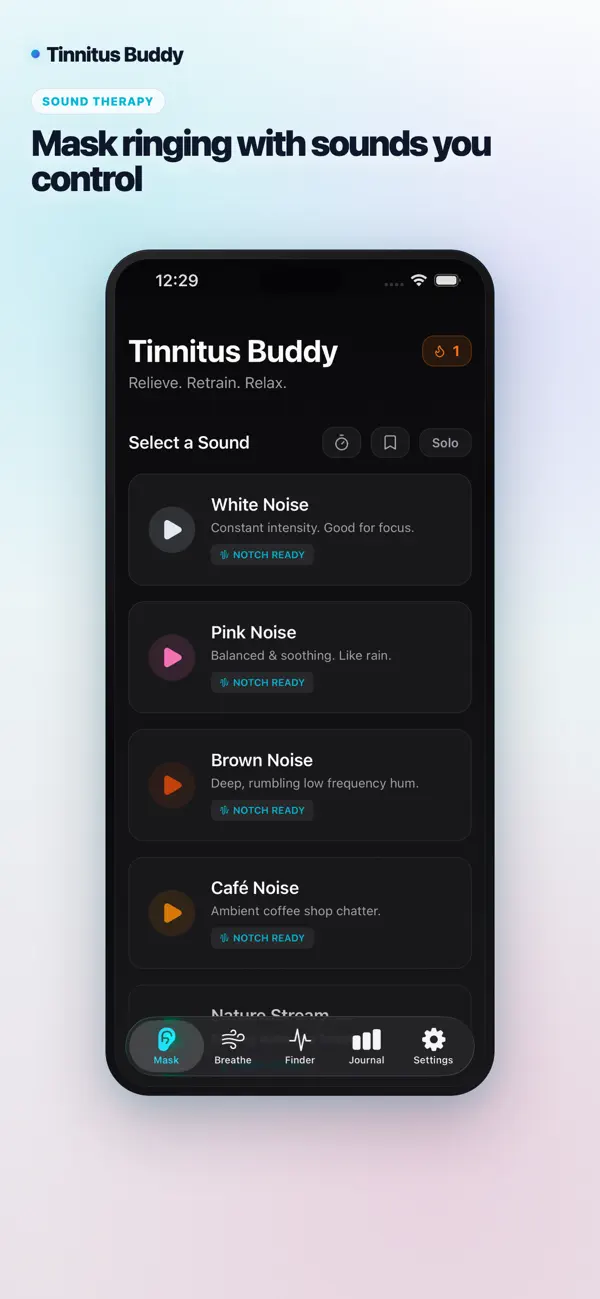
Sound therapy is often the most immediately accessible tool for reducing tinnitus disruption. By introducing gentle background sounds that blend with your tinnitus rather than competing with it, you reduce the contrast between internal sound and silence that makes tinnitus so noticeable in quiet environments. Start with one neutral sound profile—such as white noise, nature sounds, or pink noise—and use it consistently in the same situations for at least one to two weeks. This consistency allows you to evaluate whether it is helping before making changes. Many people find that sound therapy is most effective when used proactively—starting sounds before entering quiet environments rather than waiting until tinnitus becomes intrusive.
Structured tracking transforms guesswork into data-driven management. By logging tinnitus intensity, stress levels, sleep quality, and environmental factors daily, you can identify patterns that inform your approach. For example, if your logs show that tinnitus is consistently worse on days with poor sleep, you know that sleep hygiene should be a priority. If stress spikes consistently correlate with increased tinnitus perception, stress management becomes a key focus area. The goal is not to eliminate all fluctuations—some variation is normal—but to identify factors that reliably influence your symptoms so you can address them proactively.
Building a daily routine reduces decision fatigue and makes consistency easier to maintain. A simple framework might include a morning check-in to assess tinnitus intensity and set intentions, a midday reset to adjust your approach if needed, and an evening review to log what worked and what did not. The routine should be lightweight enough to maintain even on busy days—complex routines are often abandoned quickly. Many people find it helpful to integrate sound therapy and tracking into existing habits, such as using sound masking during morning coffee or logging symptoms as part of an evening wind-down ritual.
Stress management plays a crucial role in reducing tinnitus disruption, even though stress does not directly cause tinnitus. When stress levels are high, the nervous system becomes more reactive, which can amplify the perceived burden of tinnitus. Simple stress reduction techniques—such as brief breathing exercises, short walks, or scheduled breaks during work—can help lower overall reactivity. Some people find that cognitive reframing techniques, which involve changing how you interpret tinnitus-related thoughts, reduce emotional distress even when the acoustic perception remains unchanged. The combination of these approaches, maintained consistently over weeks and months, helps many people achieve meaningful improvements in their ability to manage tinnitus disruption.
When this is useful
- You want a structured approach to daily management.
- You are ready to try sound therapy and tracking.
- You need concrete next steps you can start today.
When this may not help
- You have sudden hearing loss, severe pain, or one-sided symptoms needing urgent evaluation.
- You expect an overnight cure or guaranteed elimination.
What you can do now
- Use gentle sound masking to reduce contrast with silence.
- Track tinnitus intensity, stress, and sleep for 1-2 weeks.
- Build a simple daily routine with sound and logging checkpoints.
- Reduce stress spikes and loud noise exposure where possible.

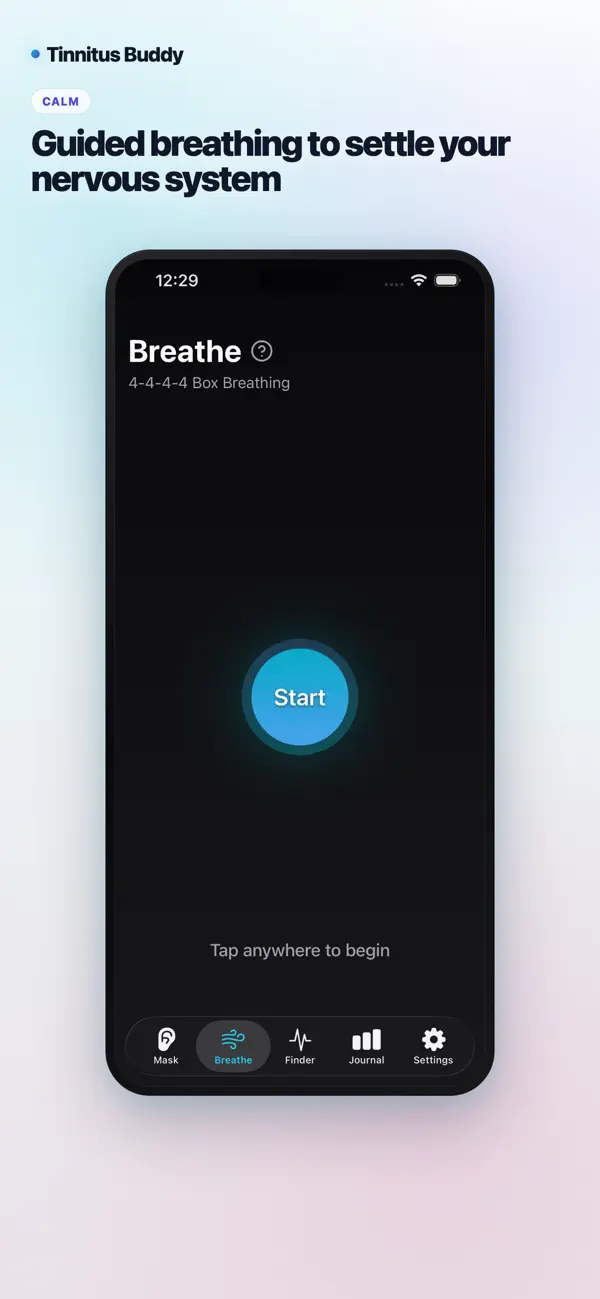
TinnitusBuddy features used
Frequently asked questions
How do you deal with tinnitus day to day?
Many people combine sound therapy, tracking, and routine checkpoints. Consistency and gradual adjustment matter more than rapid changes.
How do I stop my tinnitus from bothering me?
Stopping perception entirely is not always possible. The goal is often to reduce disruption through masking, routine, and reduced reactivity.
How long before management strategies help?
Give each approach at least 1-2 weeks of consistent use before judging. Tracking helps you see trends over time.
Medical disclaimer
This page is educational and does not provide medical diagnosis or treatment. Seek qualified medical care for urgent or worsening symptoms.