Tinnitus Routine After Loud Noise
Use this routine to stabilize your environment, log the event, and avoid overcorrecting with frequent tool changes.
Developing a tinnitus routine after loud noise exposure is essential for managing temporary flare-ups without overreacting or making counterproductive changes. When you have been exposed to loud sounds—whether from concerts, construction, occupational noise, or other sources—tinnitus often feels temporarily elevated as your auditory system recovers. This routine provides a structured approach to post-exposure management that stabilizes your environment, documents the event for future reference, and prevents the common mistake of constantly switching tools in search of immediate relief.
The first step after loud noise exposure is to move to a calm, quiet environment and avoid additional loud sounds. Give your ears time to recover rather than immediately seeking more auditory input. This recovery period allows your auditory system to stabilize and prevents compounding the stress on your hearing. Some people find that complete silence helps during this initial recovery period, while others prefer very gentle, familiar sound profiles that provide minimal input without adding stress. The key is to avoid the temptation to use loud masking sounds in an attempt to "cover up" the elevated tinnitus, as this can potentially worsen the situation.
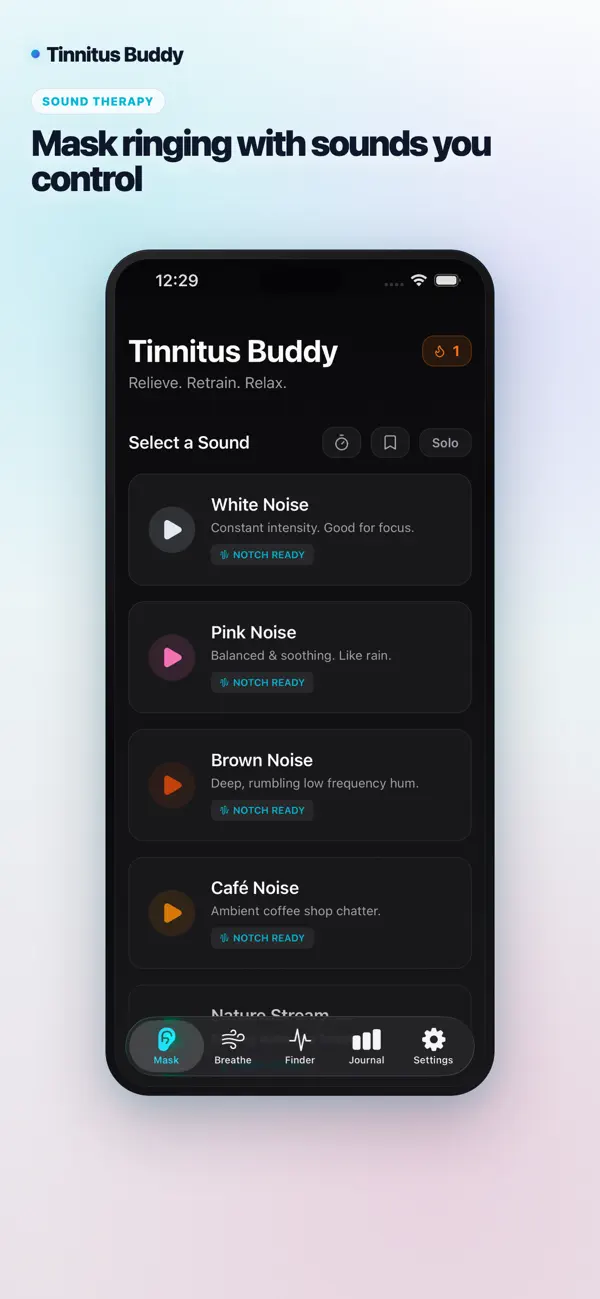
Using a familiar, moderate sound profile provides stability during post-exposure recovery. Rather than testing multiple new sound options in search of immediate relief—which can create confusion and make it harder to evaluate what is actually helping—stick with one sound profile that you know works well for you. This consistency allows you to distinguish between temporary post-exposure symptoms and your baseline tinnitus, making it easier to track recovery over time. The volume should be set at a comfortable, moderate level that does not add stress to your already-stressed auditory system.
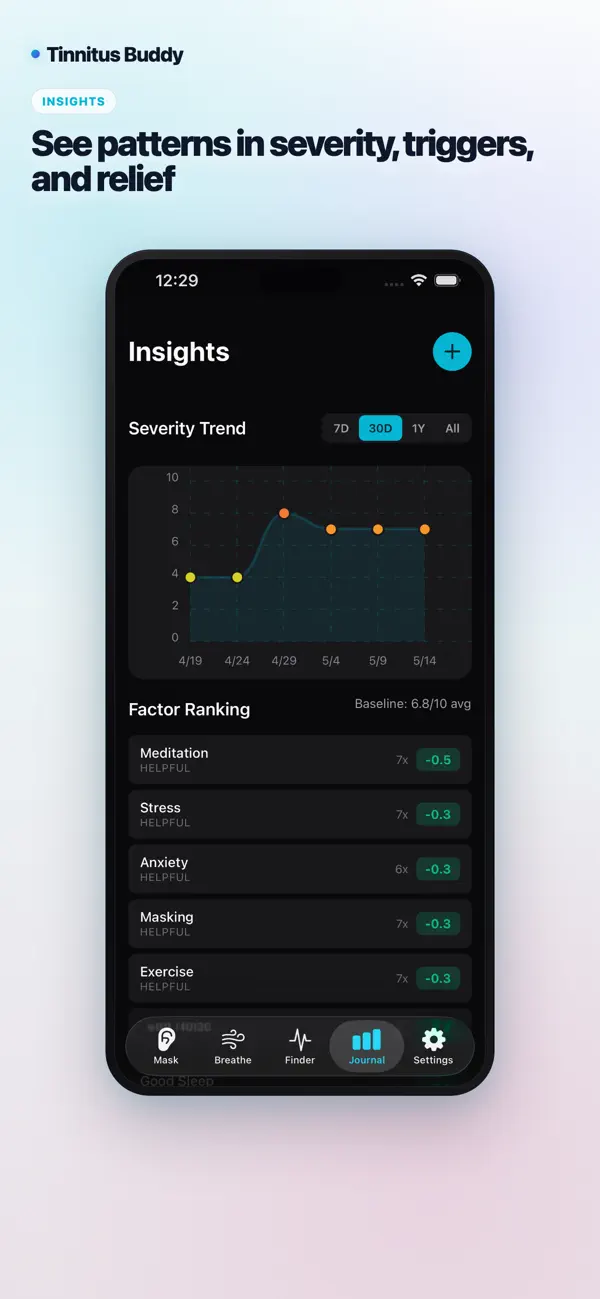
Structured logging of the exposure event and subsequent symptom changes provides valuable data for future management. Document when the exposure occurred, how long it lasted, the type of noise involved, and any hearing protection used. Then track tinnitus intensity, hearing changes, and overall comfort over the next 24-48 hours. This log helps you understand your personal recovery patterns and informs future decisions about noise exposure and protection. If you notice that certain types of exposure consistently trigger longer recovery periods, you can adjust your protection strategies accordingly.
Avoiding overcorrection is crucial during post-exposure recovery. It is natural to want immediate relief when tinnitus feels elevated, but constantly changing sound profiles, volumes, or management strategies makes it impossible to evaluate what is actually helping versus what is just different. Stick with your stable routine for at least 24-48 hours before making any changes, allowing time for your auditory system to recover and for temporary symptoms to stabilize. If symptoms persist beyond a few days or worsen significantly, seek medical evaluation rather than continuing to experiment with self-management approaches. This routine provides a calm, structured response to temporary flare-ups while maintaining awareness of when professional care is needed.
When this is useful
- You had a loud day and symptoms feel temporarily elevated.
- You want a repeatable post-exposure routine.
When this may not help
- You have sudden hearing loss, severe pain, or urgent symptoms needing immediate care.
What you can do now
- Move to a calm environment and avoid additional loud exposure.
- Use a familiar, moderate sound profile instead of testing many new options.
- Log event details and symptom changes over 24-48 hours.
TinnitusBuddy features used
Frequently asked questions
Should I keep changing sounds after a loud event?
Frequent switching can make comparison harder. Start with one stable profile and evaluate over time.
When should I seek medical evaluation?
Seek professional care promptly if you notice sudden hearing changes, persistent one-sided symptoms, or severe pain.
How long do post-exposure symptoms typically last?
Symptom duration varies. Tracking intensity over 24-48 hours helps identify whether changes are temporary or need medical follow-up.
Medical disclaimer
This page is educational and does not provide medical diagnosis or treatment. Seek qualified medical care for urgent or worsening symptoms.