Tinnitus and Hearing Aids
Hearing aids can play a supportive role for some people with tinnitus. This page explains the relationship in neutral terms—we do not recommend or rank specific devices.
The relationship between tinnitus and hearing aids is complex and depends on individual circumstances. Many people with hearing loss also experience tinnitus, and hearing aids can sometimes help manage both conditions simultaneously. However, hearing aids are primarily prescribed for hearing loss rather than tinnitus, and their effectiveness for tinnitus varies significantly from person to person. Understanding this relationship helps you have informed conversations with audiologists and make decisions that align with your specific needs.
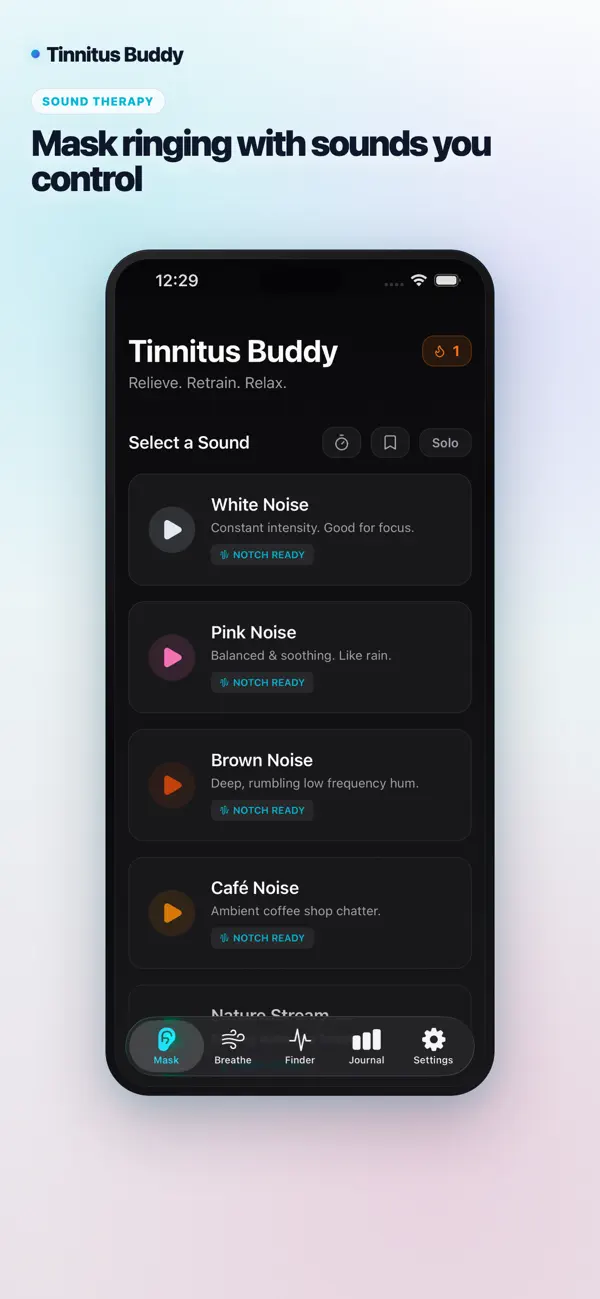
Hearing aids can potentially help with tinnitus through several mechanisms. By amplifying external sounds and improving overall hearing, they can reduce the contrast between tinnitus and silence that makes symptoms so noticeable. When you can hear environmental sounds more clearly, tinnitus often becomes less intrusive because there is more auditory input competing for attention. Additionally, some modern hearing aids include built-in sound therapy features—such as white noise generators or tinnitus masking programs—that can be used alongside amplification. These features allow you to combine hearing assistance with sound masking in a single device.
However, hearing aids are not a guaranteed solution for tinnitus, and their effectiveness varies widely. Some people with hearing loss and tinnitus find that hearing aids significantly reduce tinnitus awareness and improve quality of life. Others notice minimal impact on tinnitus even when hearing aids successfully address their hearing loss. The response depends on factors like the type and severity of hearing loss, the characteristics of tinnitus, and individual brain processing patterns. An audiologist can help you understand whether hearing aids might be beneficial for your specific situation and can program devices to include tinnitus management features if appropriate.
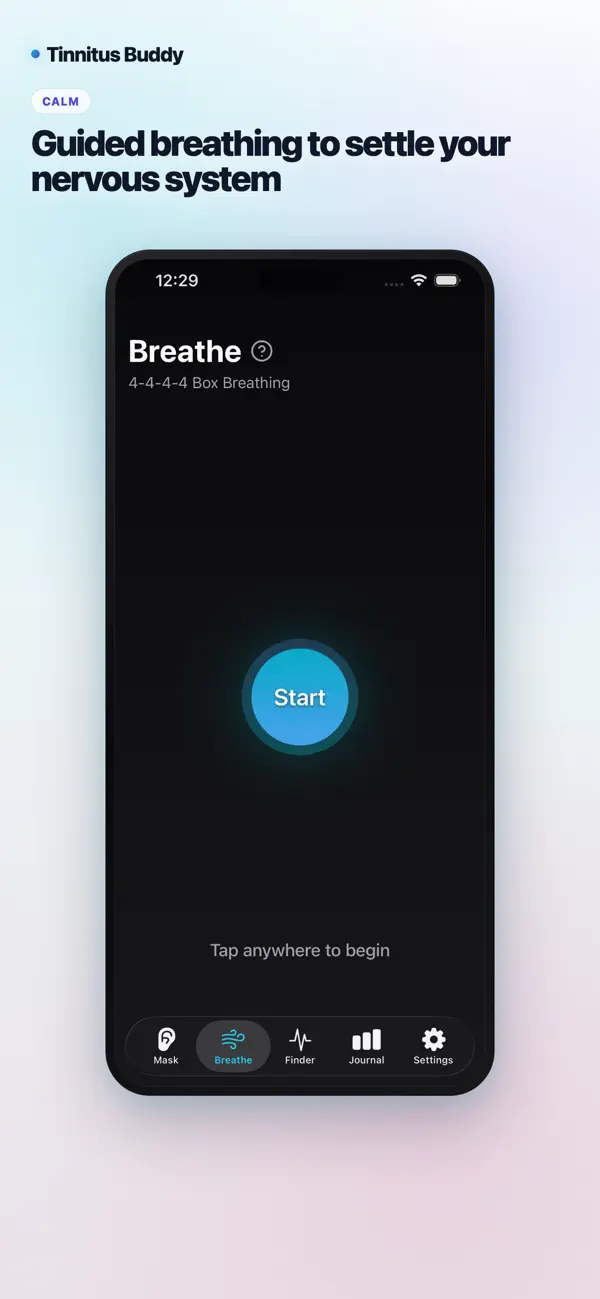
If you are considering hearing aids primarily for tinnitus rather than hearing loss, it is important to have realistic expectations and discuss this thoroughly with an audiologist. Hearing aids are medical devices that require professional fitting and adjustment, and they represent a significant investment. While they can help some people with tinnitus, they are not a universal solution. Many people find that combining hearing aids with other self-management strategies—such as sound therapy apps, tracking, and stress management—provides the best results. The combination approach allows you to address multiple aspects of tinnitus management simultaneously.
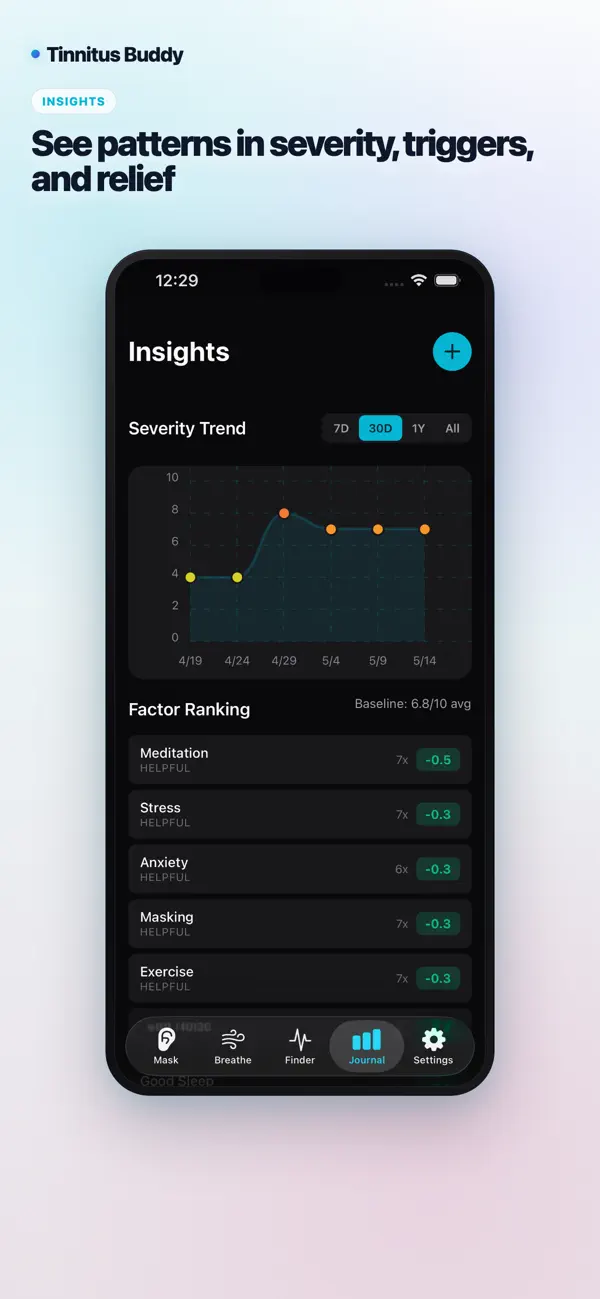
For people who already use hearing aids, integrating additional sound therapy can be beneficial. Some people use sound therapy apps or devices alongside their hearing aids, particularly during quiet times when amplification alone is not providing enough auditory input. Others find that hearing aids with built-in sound therapy features meet their needs without requiring separate devices. The best approach depends on your personal preferences, lifestyle, and response to different strategies. Tracking your tinnitus intensity and quality of life metrics before and after starting hearing aids—or after adjusting hearing aid settings—helps you evaluate whether they are providing meaningful benefit for your tinnitus management.
When this is useful
- You have both hearing loss and tinnitus.
- You want to understand options before talking to an audiologist.
- You are curious how hearing aids and sound therapy relate.
When this may not help
- You need a recommendation for a specific device or brand.
- You expect us to list best or top-rated hearing aids.
What you can do now
- Discuss hearing aid options and tinnitus features with an audiologist.
- Use app tracking to log tinnitus before and after any device trials.
- Combine hearing aid use with sound therapy routines if helpful.
TinnitusBuddy features used
Frequently asked questions
Do hearing aids help with tinnitus?
For some people with hearing loss, hearing aids can reduce tinnitus awareness by improving external sound. Results vary. An audiologist can advise.
Should I get hearing aids just for tinnitus?
That is a decision for you and your clinician. Hearing aids are typically prescribed for hearing loss; some models include tinnitus masking features.
Can I use hearing aids and sound therapy apps together?
Yes. Some people use both. Discuss with your audiologist and track what works for you.
Medical disclaimer
This page is educational and does not provide medical diagnosis or treatment. Seek qualified medical care for urgent or worsening symptoms.