Bedtime Sound Masking Routine
Use a simple sequence for selecting, testing, and adjusting bedtime masking sounds without overcomplicating your setup.
Creating a bedtime sound masking routine for tinnitus requires balancing effectiveness with simplicity. Many people start with enthusiasm, trying multiple sound profiles, volumes, and timing options simultaneously, only to become overwhelmed and abandon the approach when it feels too complicated. This routine provides a straightforward sequence for selecting, testing, and adjusting bedtime masking that reduces variables and creates a stable foundation you can build upon over time.
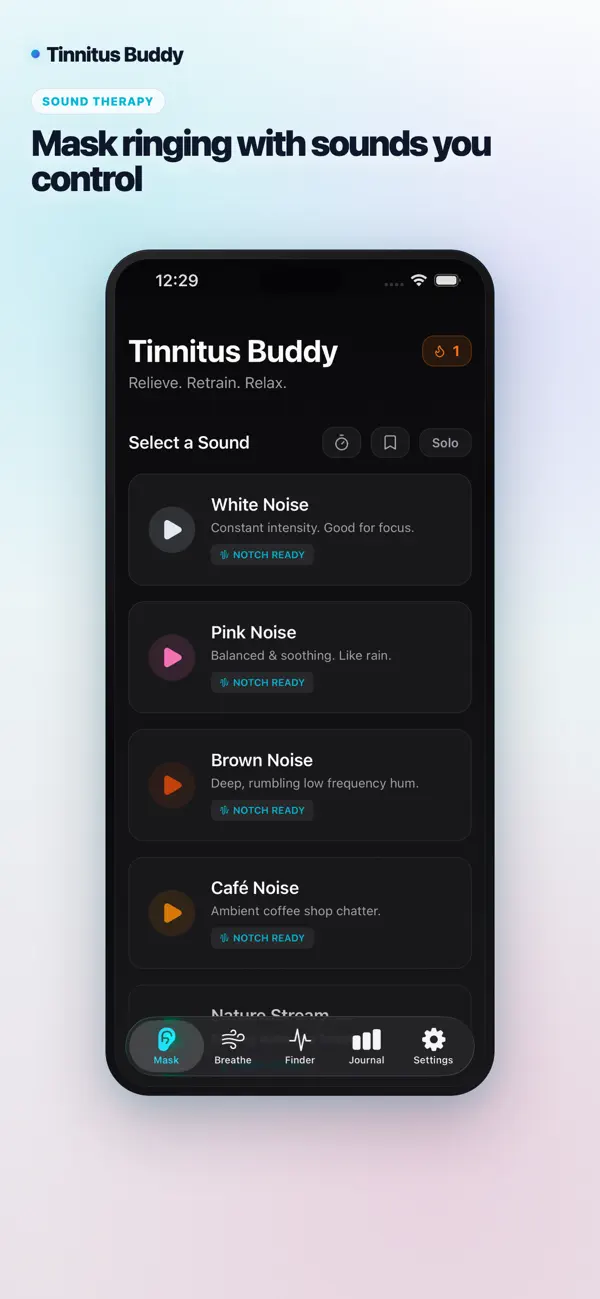
The selection phase begins with choosing one baseline sound profile to test consistently. Rather than sampling multiple options each night, pick a single neutral sound—such as white noise, pink noise, or gentle nature sounds—that feels calming and non-arousing. Avoid sounds with distinct patterns, melodies, or sudden changes that might capture attention and interfere with sleep. The goal is to find a sound that provides steady, predictable input without becoming interesting enough to keep you awake. Many people find that simpler sounds work better for sleep than complex ones, as the brain can more easily filter them into the background.
Volume setting is critical for effective bedtime masking. Start with a volume that blends with your tinnitus rather than overpowering it—typically set at a level that is just audible enough to notice but quiet enough that it does not demand attention. Some people prefer volumes slightly below their tinnitus loudness, while others find that matching or slightly exceeding tinnitus volume works better. There is no universal "correct" volume, so experiment within a comfortable range, but maintain your chosen level for multiple nights before adjusting. The consistency allows you to evaluate whether the volume is actually helping sleep rather than just feeling different each night.
Timing your masking audio start is an important variable to test. Many people find that starting the sound as part of their pre-bed routine, before turning off the lights, helps signal to the nervous system that it is time to wind down. This creates a conditioned response where the sound becomes associated with sleep preparation, potentially enhancing its effectiveness over time. Others prefer to start the sound right before sleep or use timers that fade out after a set duration. Test one timing approach consistently for at least one to two weeks before trying alternatives, as sleep routines benefit from consistency.
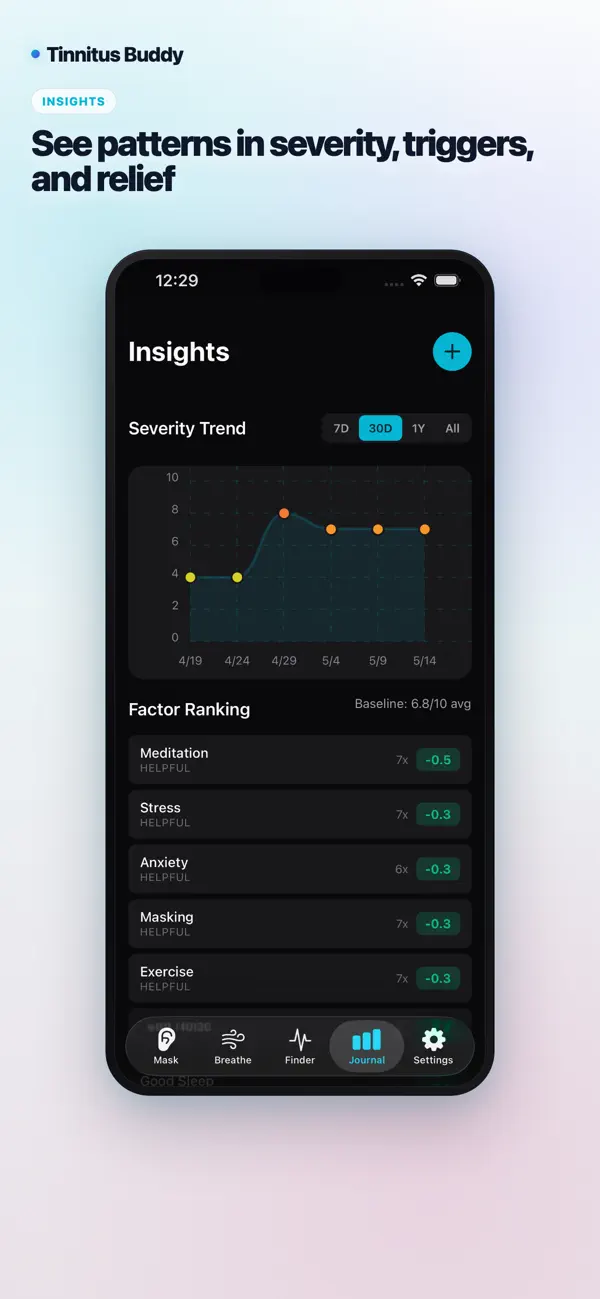
Recording your bedtime routine details alongside sleep quality notes transforms trial-and-error into data-driven optimization. Each morning, briefly log which sound profile you used, the volume level, when you started the audio, what time you went to bed, sleep duration, and how noticeable tinnitus was upon waking. This takes only a minute but creates valuable data over time. After maintaining the same routine for one to two weeks, review your logs to identify patterns. You might discover that certain sound types correlate with better sleep, or that specific volumes work better than others. This data-driven approach helps you make informed adjustments rather than changing variables randomly.
The adjustment phase should be approached conservatively, making one change at a time based on your tracking data. If your logs show that sleep quality is consistently poor with your current setup, try adjusting one variable—either the sound type, volume, or timing—and maintain that change for another one to two weeks before evaluating. Avoid the temptation to change multiple variables simultaneously, as this makes it impossible to identify which change actually produced improvements. The goal is to gradually refine your routine based on what your data shows works for you personally, creating a sustainable bedtime masking approach that supports consistent sleep.
When this is useful
- You are new to masking audio at night.
- You want fewer variables and a more stable bedtime routine.
When this may not help
- You are looking for guaranteed symptom elimination.
What you can do now
- Select one baseline sound and keep it for several nights.
- Set volume to a comfortable blend level.
- Record bedtime routine details alongside sleep quality notes.
TinnitusBuddy features used
Frequently asked questions
How often should I adjust my sound profile?
Adjust only after collecting enough nights of data to judge patterns, not every night.
Is complete masking required?
Not necessarily. Many people aim for comfort and reduced contrast rather than full masking.
When should I start the masking audio?
Starting audio as part of your pre-bed routine, before lights out, helps set a consistent cue for sleep.
Medical disclaimer
This page is educational and does not provide medical diagnosis or treatment. Seek qualified medical care for urgent or worsening symptoms.