What Is Cognitive Reframing for Tinnitus?
Cognitive reframing focuses on changing the interpretation of symptoms, which can reduce distress and improve day-to-day coping.
Cognitive reframing for tinnitus is a psychological technique that involves changing how you interpret and respond to your tinnitus symptoms. It is based on the understanding that the distress caused by tinnitus often comes not from the sound itself, but from the thoughts, beliefs, and emotional reactions that surround it. When tinnitus triggers catastrophic thinking patterns—such as "this will never get better" or "I cannot handle this"—the emotional burden increases, which can make tinnitus feel more intrusive and harder to manage.
The process of cognitive reframing begins with identifying your automatic thoughts about tinnitus. These are the immediate, often unconscious reactions that arise when you notice your tinnitus. Common examples include thoughts like "this is unbearable," "I will never be able to concentrate again," or "this means something is seriously wrong." By bringing these thoughts into conscious awareness, you create the opportunity to examine them critically and develop more balanced alternatives.
Reframing does not mean pretending that tinnitus is pleasant or ignoring its impact. Instead, it involves replacing absolute, catastrophic statements with more nuanced, realistic perspectives. For example, instead of thinking "I cannot handle this," you might reframe to "this is challenging right now, but I have managed difficult situations before." Instead of "this will never improve," you might consider "I do not know what the future holds, but I can focus on what helps today." These balanced thoughts acknowledge the difficulty while opening space for coping and adaptation.
The effectiveness of cognitive reframing comes from repeated practice over time. Like any skill, it requires consistent effort to develop. Many people find it helpful to write down their automatic thoughts and practice reframing them daily, perhaps as part of a journaling routine. Tracking whether reframing practice correlates with changes in distress ratings over weeks or months provides feedback about whether this approach is helpful for you personally. Some people notice significant improvements in their ability to cope with tinnitus, while others find it less impactful—individual responses vary.
It is important to understand that cognitive reframing focuses on changing your interpretation and emotional response to tinnitus, not the acoustic perception itself. The goal is to reduce distress and improve quality of life, not to eliminate the sound. For some people, this shift in perspective is transformative, allowing them to live more fully despite ongoing symptoms. For others, it is one tool among many in a broader self-management toolkit. If you find yourself stuck in persistent negative thought patterns that significantly impact your daily functioning, consider seeking support from a mental health professional who can provide more structured cognitive-behavioral approaches.
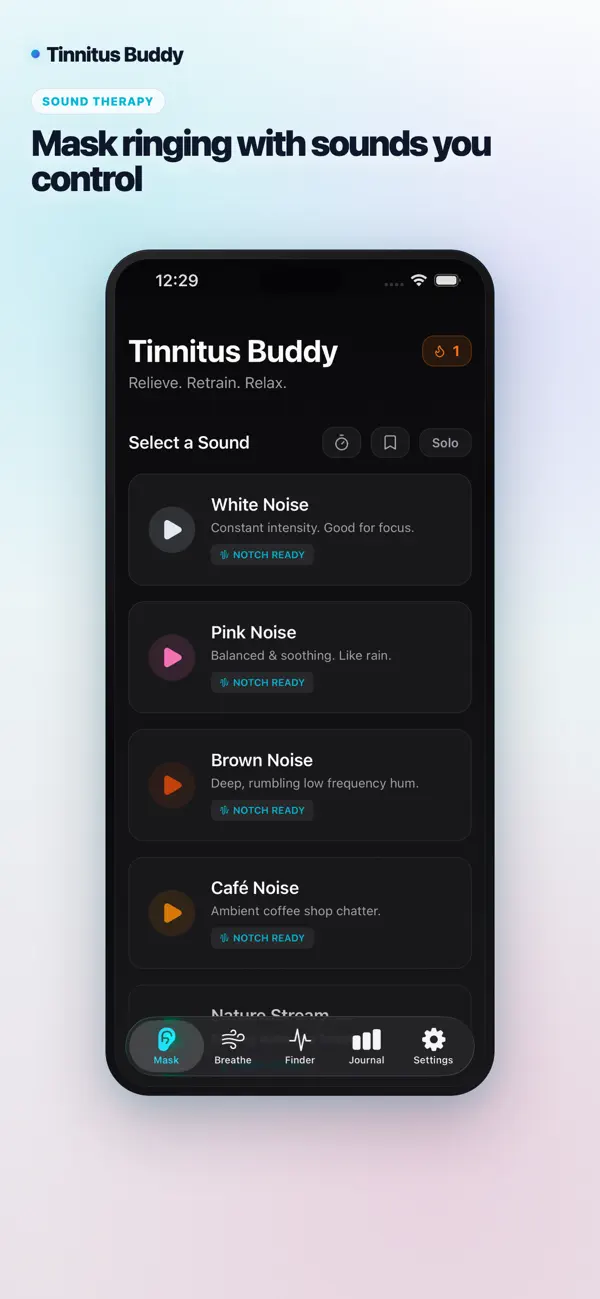
When this is useful
- You feel stuck in worst-case thinking loops.
- Stress responses amplify tinnitus distress.
When this may not help
- You need urgent mental health or medical crisis support.
What you can do now
- Write common automatic thoughts about tinnitus.
- Replace absolute statements with balanced alternatives.
- Track whether reframing practice changes distress ratings over time.
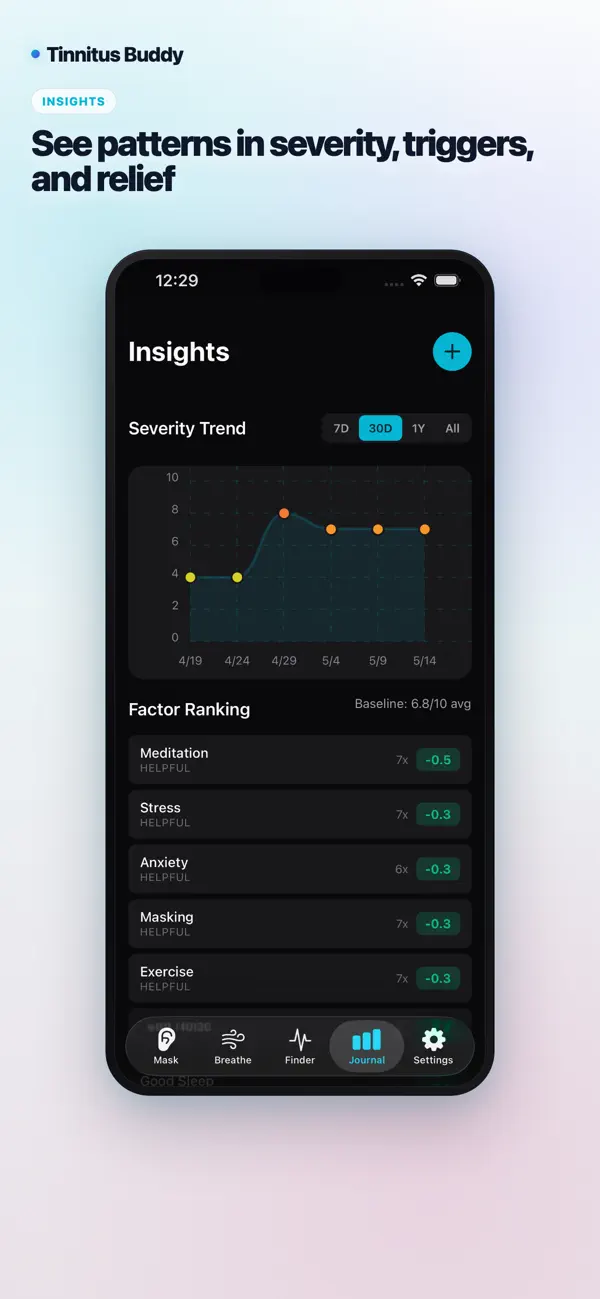
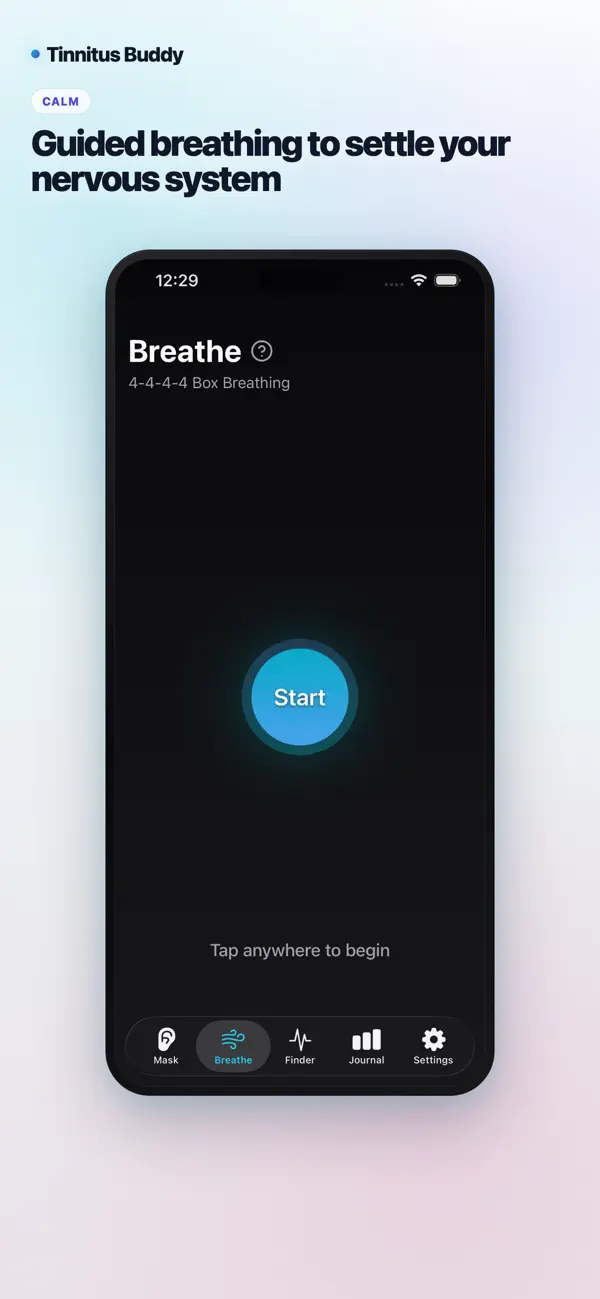
TinnitusBuddy features used
Frequently asked questions
Is reframing the same as pretending symptoms are gone?
No. Reframing acknowledges symptoms while changing unhelpful interpretations of them.
How long does reframing practice take?
It is usually a gradual skill built through repeated practice rather than a one-time exercise.
Will reframing reduce the physical sound of tinnitus?
Reframing focuses on interpretation and distress, not the acoustic perception itself.
Medical disclaimer
This page is educational and does not provide medical diagnosis or treatment. Seek qualified medical care for urgent or worsening symptoms.