What Triggers Tinnitus?
Many factors may trigger or worsen tinnitus for some people. This page lists common ones and explains how tracking can help you identify yours.
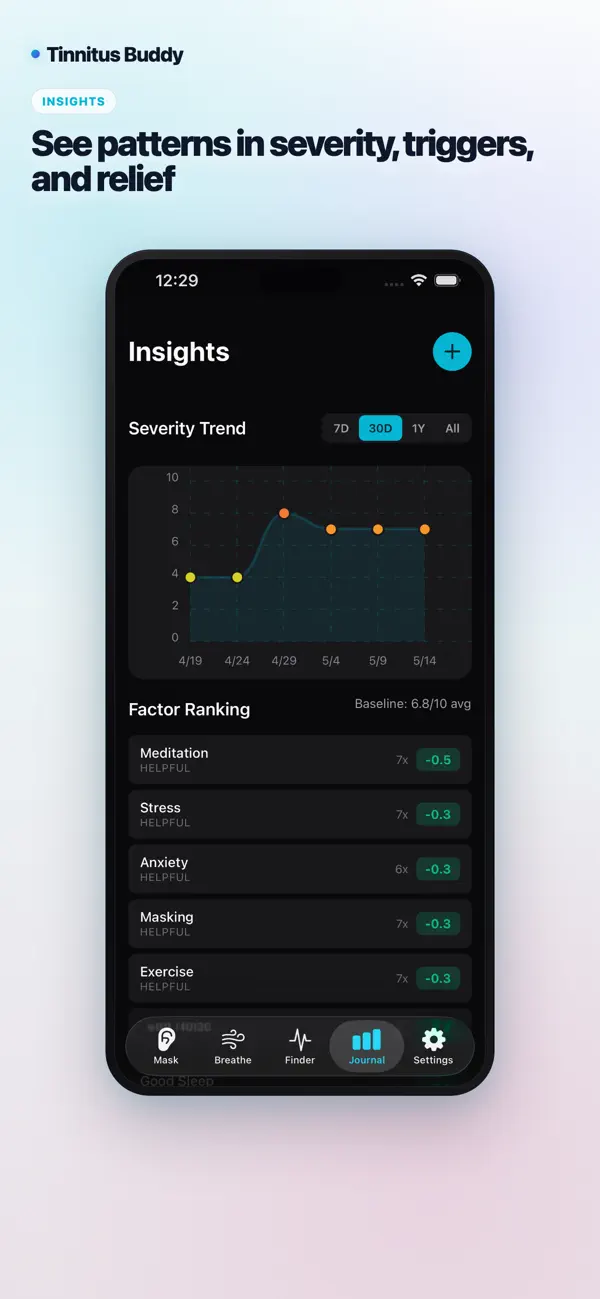
Identifying what triggers tinnitus requires understanding that triggers are highly individual—what affects one person may have no impact on another. However, certain factors are commonly reported as making tinnitus worse, and being aware of these can help you know what to track as you begin identifying your personal patterns. The most reliable way to discover your triggers is through structured tracking over time, comparing days with higher versus lower tinnitus intensity to spot correlations.
Loud noise exposure is perhaps the most universally recognized tinnitus trigger. Even brief exposure to very loud sounds can temporarily increase tinnitus perception, while prolonged exposure can potentially cause permanent changes. This includes occupational noise, recreational activities like concerts or shooting sports, and personal audio devices at high volume. The relationship is not always immediate—you might notice tinnitus worsening hours or even days after noise exposure. If you cannot avoid loud environments, consistent use of hearing protection is essential, and giving your ears recovery time in quiet spaces afterward can help minimize impact.
Stress and emotional factors are frequently reported as tinnitus triggers. When you are under stress, your nervous system becomes more reactive and hypervigilant, which can amplify awareness of internal sensations like tinnitus. Additionally, stress often disrupts sleep, and poor sleep quality can make tinnitus feel worse the following day. Some people notice that specific types of stress—work deadlines, relationship conflicts, financial worries—correlate more strongly with tinnitus spikes than others. Tracking stress levels alongside tinnitus intensity helps identify these patterns so you can manage stress proactively during high-risk periods.
Sleep quality and fatigue significantly influence tinnitus perception for many people. Poor sleep, whether from insomnia, sleep apnea, or simply not getting enough rest, often correlates with increased tinnitus awareness the following day. This creates a bidirectional relationship where tinnitus can disrupt sleep, and poor sleep makes tinnitus worse. Maintaining consistent sleep schedules, creating calming pre-sleep routines, and addressing sleep disorders can help break this cycle. Some people find that using sound masking at bedtime helps both sleep quality and tinnitus management.
Dietary factors like caffeine, alcohol, and certain foods affect some people more than others. Caffeine can increase alertness and potentially amplify tinnitus awareness, while alcohol may affect sleep quality and next-day symptoms. However, these relationships are highly individual—some people notice strong correlations, while others experience no effect. Rather than eliminating everything based on generic advice, track your intake and symptoms to identify your personal patterns. If you suspect a dietary trigger, experiment with gradual changes rather than sudden elimination, and consult your doctor before making significant dietary modifications.
Environmental factors such as changes in barometric pressure, altitude, or temperature can trigger tinnitus fluctuations for some people. Similarly, certain medications—including some antibiotics, antidepressants, and pain relievers—list tinnitus as a potential side effect. If you notice tinnitus changes after starting a new medication, discuss this with your prescribing doctor rather than stopping medication independently. Medical conditions like ear infections, TMJ disorders, or cardiovascular issues can also trigger or worsen tinnitus, which is why persistent or severe symptoms warrant medical evaluation.
When this is useful
- You notice symptoms fluctuate and want to understand why.
- You are starting a tracking habit and need a list of variables to consider.
- You want a plain-language overview of possible triggers.
When this may not help
- You need medical advice on specific triggers (e.g., medications).
- You expect a definitive, universal list.
What you can do now
- Track noise exposure, stress, sleep, caffeine, and routine changes for 1-2 weeks.
- Compare days with higher vs. lower tinnitus to spot your own triggers.
- Use our how-to-track-triggers guide for a structured approach.
TinnitusBuddy features used
Frequently asked questions
What could trigger tinnitus?
Common reported triggers include loud noise, stress, poor sleep, caffeine, and certain medications. Your own triggers may differ; tracking helps.
How do I find my tinnitus triggers?
Log key variables daily—intensity, stress, sleep, noise—and look for repeated patterns over at least one to two weeks.
Are triggers the same for everyone?
No. What affects one person may not affect another. Personal tracking is more reliable than generic lists.
Medical disclaimer
This page is educational and does not provide medical diagnosis or treatment. Seek qualified medical care for urgent or worsening symptoms.