Tinnitus and High Blood Pressure
Some studies suggest an association between blood pressure and tinnitus. This page describes the connection in neutral terms and emphasizes that you should discuss this with your doctor.
The relationship between tinnitus and blood pressure is a topic of ongoing research, with some studies suggesting associations but no definitive causal link established. High blood pressure, or hypertension, can affect blood flow throughout the body, including to the delicate structures of the inner ear. Reduced or altered blood flow to the cochlea—the spiral-shaped organ in the inner ear responsible for hearing—could potentially contribute to tinnitus in some cases. However, the evidence is mixed, and many people with high blood pressure do not experience tinnitus, while many people with tinnitus have normal blood pressure.
The connection may also work in the reverse direction, with tinnitus potentially contributing to stress and anxiety that can elevate blood pressure. The distress and sleep disruption associated with tinnitus can increase stress hormones and affect cardiovascular health over time. This bidirectional relationship makes it difficult to determine cause and effect, and individual cases vary significantly. Some people notice that their tinnitus seems worse when blood pressure is elevated, while others notice no correlation at all.
If you have both high blood pressure and tinnitus, it is important to discuss this with your healthcare provider. They can help evaluate whether there might be a connection in your specific case and can guide appropriate management for both conditions. Blood pressure management should always be based on cardiovascular health considerations rather than tinnitus alone—do not make medication or lifestyle changes solely to address tinnitus without medical guidance. However, if blood pressure treatment is already indicated for other reasons, some people find that well-managed blood pressure correlates with improved tinnitus symptoms.
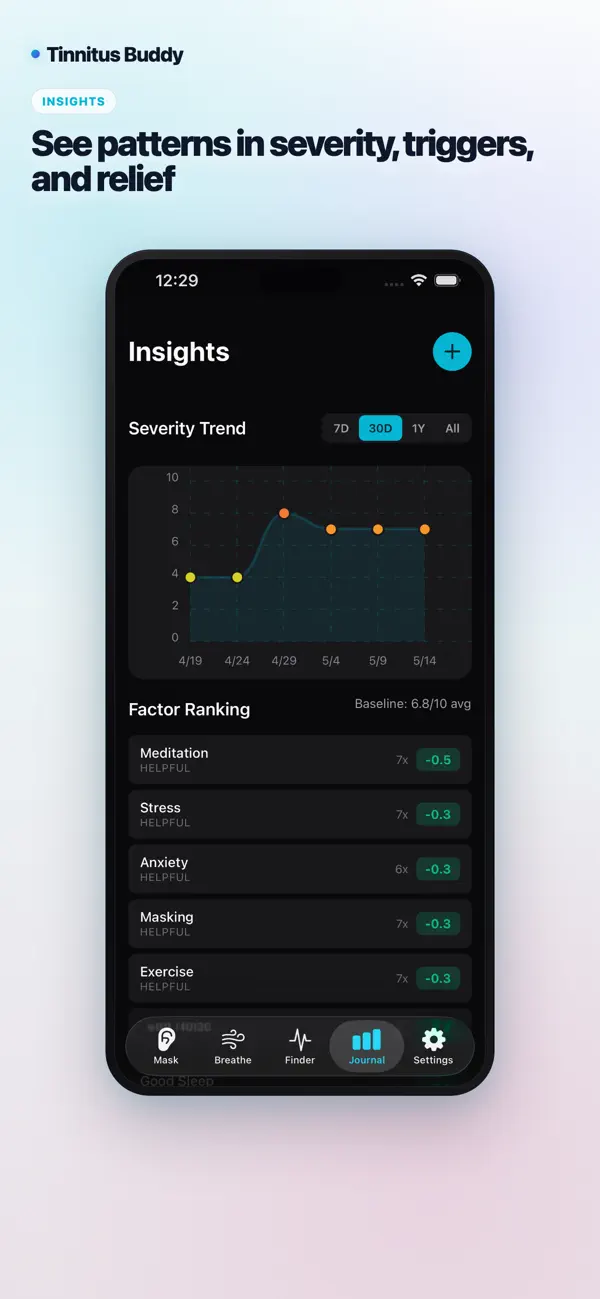
Lifestyle factors that support cardiovascular health—such as regular exercise, a balanced diet, stress management, and adequate sleep—may also benefit tinnitus management. These approaches address both conditions simultaneously without requiring separate interventions. However, it is important to recognize that improving blood pressure does not guarantee tinnitus improvement, and tinnitus management should be approached independently based on what works for you personally. Tracking both blood pressure and tinnitus intensity—if your doctor recommends monitoring—can help identify whether there are correlations in your specific case.
This page provides educational information only and should not replace professional medical advice. If you have concerns about blood pressure, tinnitus, or their potential relationship, consult qualified healthcare providers who can evaluate your individual situation. Do not change blood pressure medications, start new treatments, or make significant lifestyle modifications based solely on information about tinnitus associations. A comprehensive evaluation by your doctor or cardiologist can help determine appropriate management strategies that address your overall health needs.
When this is useful
- You have high blood pressure and tinnitus and wonder if they are related.
- You want a brief, non-medical overview before a doctor visit.
When this may not help
- You need medical advice on blood pressure or tinnitus treatment.
- You expect us to tell you whether your tinnitus is caused by blood pressure.
What you can do now
- Discuss blood pressure and tinnitus with your doctor or cardiologist.
- Track blood pressure and tinnitus in your logs if your doctor advises it.
- Do not change blood pressure medication or diet based on this page—talk to your clinician.
TinnitusBuddy features used
Frequently asked questions
Can high blood pressure cause tinnitus?
An association has been reported in some research, but causation is not fully established. Your doctor can help interpret your situation.
Does high blood pressure cause tinnitus?
Sometimes people have both, and studies have reported associations, but many people have one condition without the other. Only a clinician can evaluate your case.
What about hypertension and tinnitus together?
Hypertension is high blood pressure. If you have both tinnitus and hypertension, discuss both with your doctor or cardiologist—do not self-diagnose the link.
Should I treat blood pressure to reduce tinnitus?
Blood pressure treatment decisions should be made with your doctor. Do not use tinnitus as the sole reason to start or stop any treatment.
Is the link between tinnitus and blood pressure strong?
Evidence varies. This page is educational only. Always discuss your specific case with a qualified clinician.
Medical disclaimer
This page is educational and does not provide medical diagnosis or treatment. Seek qualified medical care for urgent or worsening symptoms.