Is Tinnitus Permanent?
Tinnitus can be temporary for some people and long-lasting for others. This page explains what is generally known without making predictions for any individual.
The question of whether tinnitus is permanent reflects one of the most common concerns among people experiencing symptoms. The honest answer is that it depends on the individual case, and predicting permanence is not possible from a distance. Some people experience temporary tinnitus that resolves on its own, particularly when it is associated with temporary factors like ear infections, medication use, or acute noise exposure. Others develop chronic tinnitus that persists for months, years, or potentially for life. The duration often relates to underlying causes, but even this relationship is not perfectly predictable.
Temporary tinnitus frequently occurs after exposure to loud noise, such as attending a concert or working in a noisy environment. This type of tinnitus often resolves within hours or days as the auditory system recovers. Similarly, tinnitus associated with ear infections or certain medications may disappear once the underlying condition is treated or the medication is discontinued. However, even temporary tinnitus can be distressing, and it serves as an important reminder to protect your hearing and seek prompt medical attention if symptoms persist or worsen.
Chronic tinnitus, which persists for more than three to six months, is more likely to be long-lasting or permanent. When tinnitus is associated with permanent hearing loss, age-related changes, or other chronic conditions, it often becomes a long-term management challenge rather than a temporary symptom. However, even chronic tinnitus can fluctuate significantly in intensity and perceived burden. Many people find that while the sound itself may persist, their ability to cope with it improves over time through self-management strategies, habituation, and adaptation.
The concept of permanence can be misleading when applied to tinnitus, because even if the acoustic perception remains, its impact on quality of life can change dramatically. Some people with long-standing tinnitus report that it becomes less bothersome over time, either through habituation—where the brain learns to filter it out—or through effective self-management strategies that reduce disruption. Others find that their emotional response to tinnitus improves even when the sound itself persists. This suggests that focusing on management and quality of life may be more productive than fixating on whether symptoms are permanent.
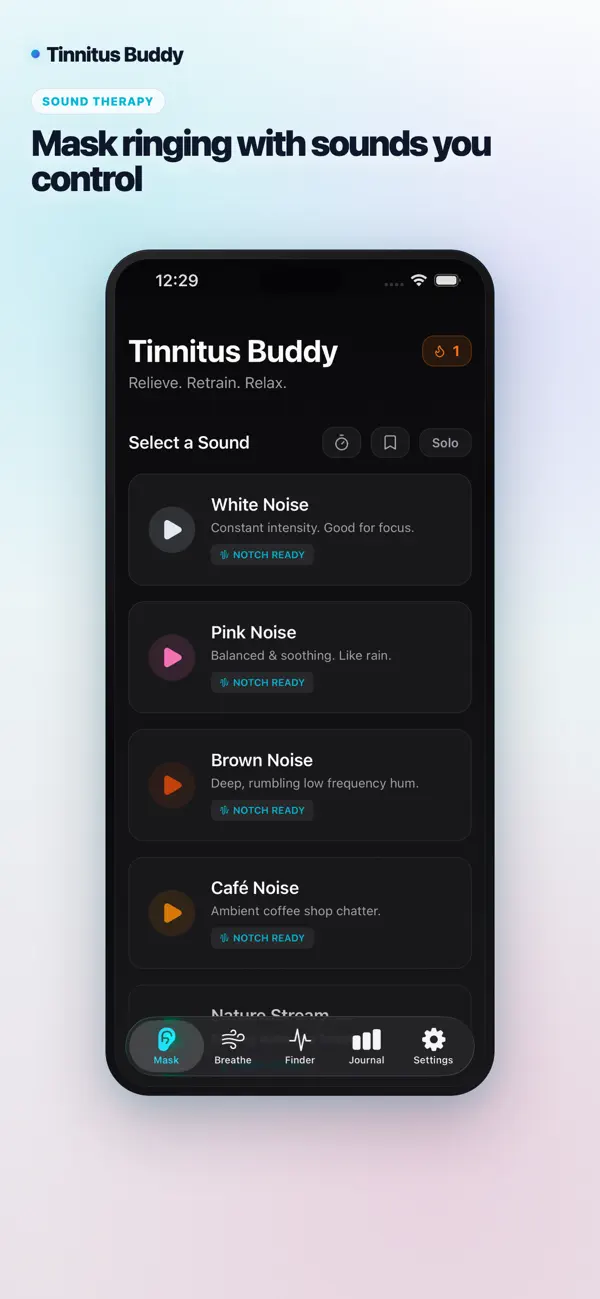
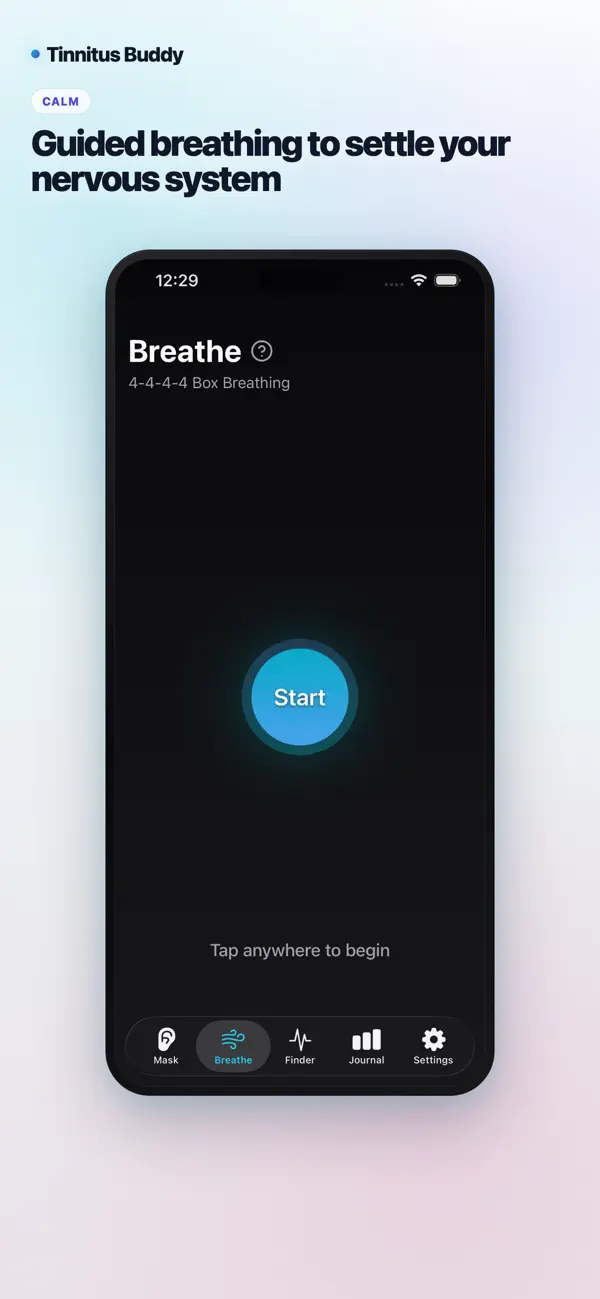
Rather than asking whether tinnitus is permanent, it may be more helpful to focus on what you can control: building effective self-management habits, protecting your hearing to prevent worsening, and developing coping strategies that improve your daily life regardless of duration. Whether your tinnitus is temporary or long-lasting, investing in sound therapy, tracking, and stress management provides value. If symptoms persist for more than a few weeks or are accompanied by hearing loss, dizziness, or other concerning symptoms, seek medical evaluation to understand your specific situation and receive appropriate guidance.
When this is useful
- You want realistic expectations about duration.
- You are weighing whether to invest in management tools.
- You wonder if you have tinnitus for life.
When this may not help
- You need a prognosis from a clinician for your specific case.
- You expect a guaranteed cure or permanent resolution.
What you can do now
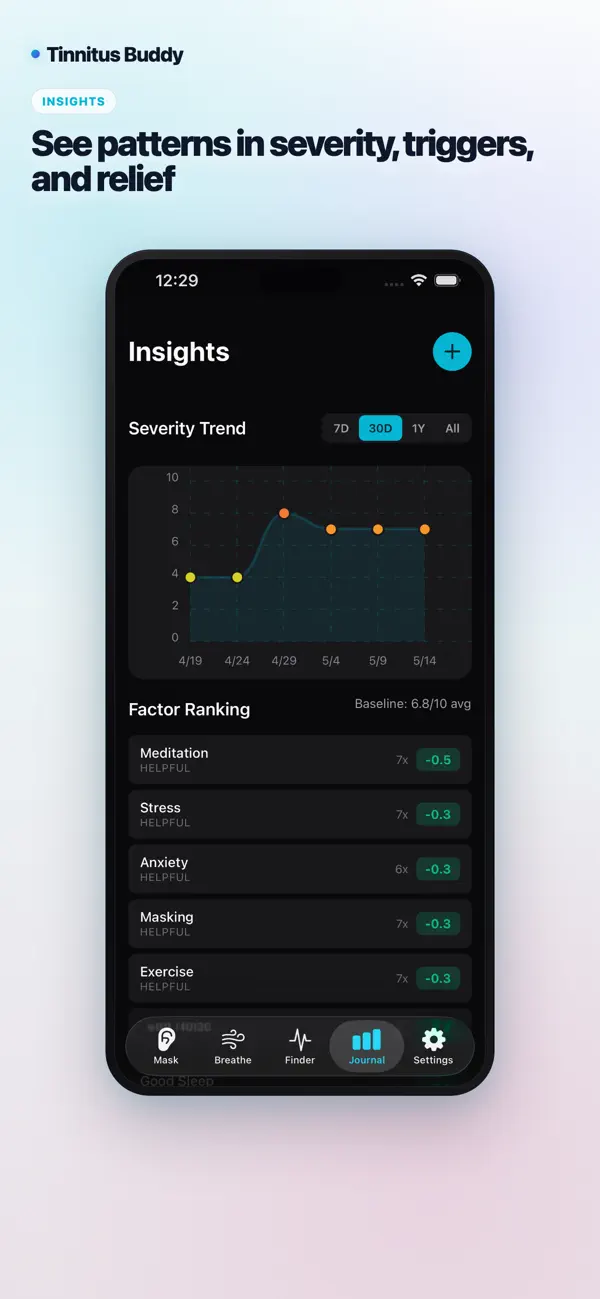
- Track symptoms over time to see your own pattern.
- Build management habits whether or not symptoms are temporary.
- Seek medical evaluation if you want a professional assessment of your situation.
TinnitusBuddy features used
Frequently asked questions
Is there a cure for tinnitus?
There is no universally proven cure. Management approaches like sound therapy and tracking help many people reduce disruption and distress.
Do you have tinnitus for life?
For some people, yes; for others, symptoms are temporary or fluctuate. Duration varies and cannot be predicted from this page.
How to know if tinnitus will be permanent?
A clinician can provide guidance based on your history. Tracking your pattern over time can inform the conversation.
Medical disclaimer
This page is educational and does not provide medical diagnosis or treatment. Seek qualified medical care for urgent or worsening symptoms.